REVIEW · CAN THO
Group Tour: Floating Market, Rice Noodle, nursery vegatable
Book on GetYourGuide →Operated by CHN Explore Mekong · Bookable on GetYourGuide
Sunrise on the Mekong feels like a movie. This small-group trip hits the Cai Rang floating market and the Hu Tieu noodle factory, with food stops and real daily river life along the way.
What I like most is the hands-on noodle experience and the chance to see how families grow and harvest nursery vegetables. The one thing to consider is the schedule: you’re on the water for a big chunk of the morning, so plan for a long boat-and-walking day and early timing.
In This Review
- Quick hits: why this tour works
- Cai Rang at sunrise: what the early start gives you
- Floating market time: trade, tastes, and river rhythm
- Hu Tieu noodle factory: from rice to real craft
- A local house for Hu Tieu: why the second look matters
- Nursery vegetable village: seeing farming up close (and why it’s special)
- Dragon fruit garden and the canal sampan ride
- The rowing option (depends on tide)
- How the 5 hours adds up (and where you might feel it)
- Price and value: what $24 gets you
- What to bring (so the morning stays fun)
- Who should book this tour (and who should skip it)
- Should you book it?
- FAQ
- How long is the tour?
- What time do you pick up, and when do you return?
- Where is the meeting point?
- Is the tour guide available in English?
- What’s included in the price?
- Do I get to make rice noodles?
- Are there any food or drink tastings?
- What should I bring and what should I avoid?
- Who is the tour not suitable for?
Quick hits: why this tour works
- Cai Rang floating market by wooden boat: early river light and everyday chores you’d never see from a road
- Hu Tieu step-by-step noodle making: learn the process and get to try it yourself with guidance
- Food you can actually eat on the route: floating noodle soup, milk coffee, and fresh pineapple
- Nursery vegetables plus dragon fruit: not just sightseeing—this is about farming work
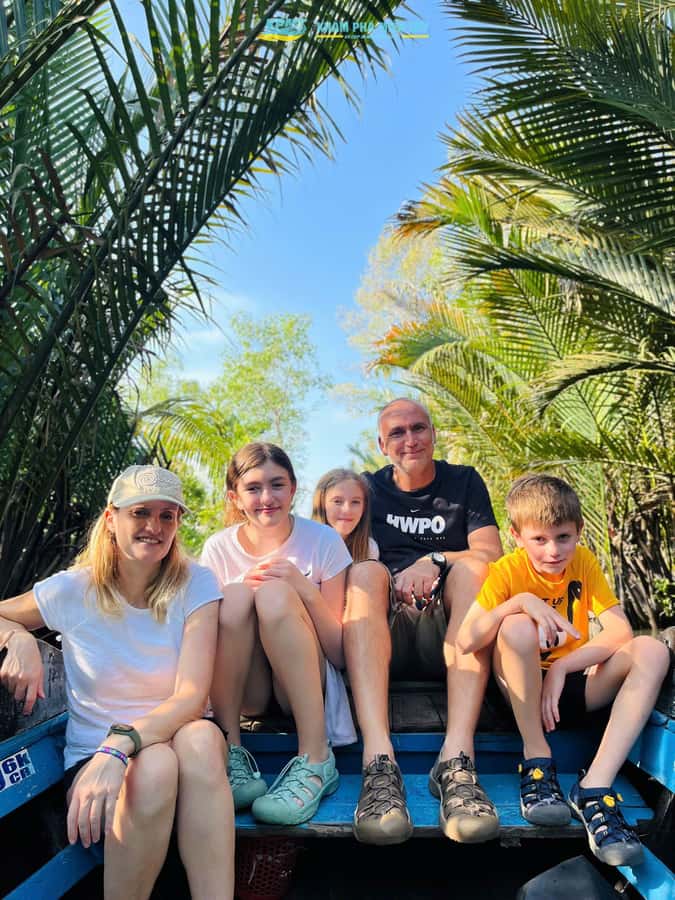
- Canal sampan ride with an optional rowing moment: tide-dependent, but worth the effort
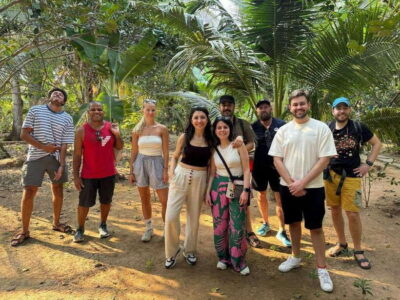
- Small group up to 6: easier conversations with the guide and more personal attention
Cai Rang at sunrise: what the early start gives you
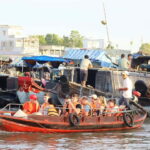
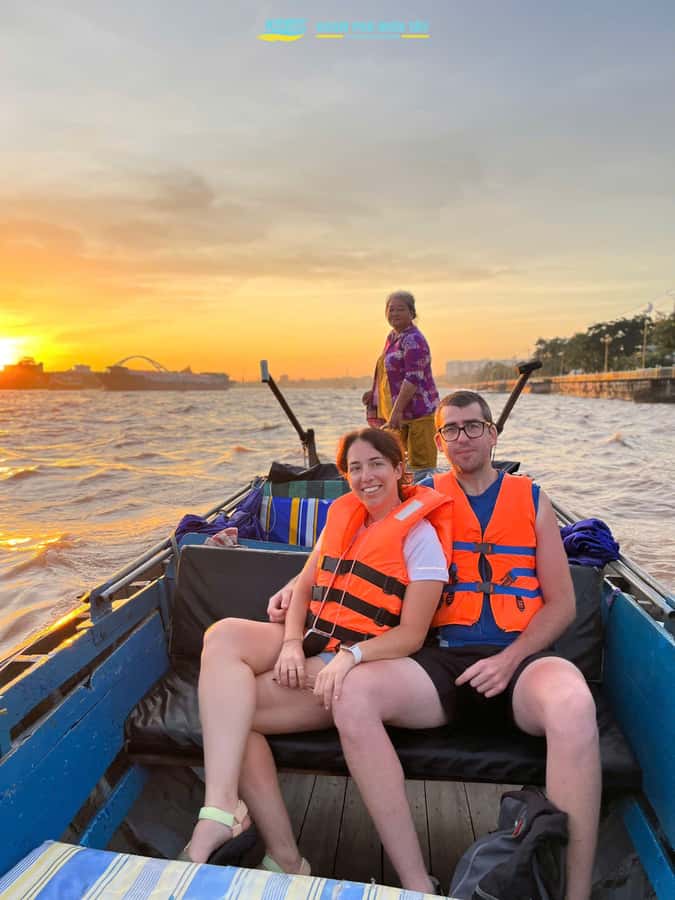
You meet at 06:00 AM at 28 Phan Đinh Phung, Ninh Kieu Ward in Can Tho. From there, the trip heads toward Cai Rang by boat, and the early timing matters. You’ll catch that first light reflecting on the water, and you also see practical moments: people washing laundry, fishing, and kids swimming near the banks.
This is the big difference between a river tour and a river experience. When you go early, you’re not just watching commerce—you’re watching routine life. It also means you’re less rushed at the floating market, where the action is always changing hour by hour.
One practical note: the sunrise itself is mostly about atmosphere rather than a guaranteed photo “moment.” If you’re expecting a dramatic sunrise show, keep expectations grounded and enjoy the day-to-day scene instead.
You can also read our reviews of more tours and experiences in Can Tho.

Floating market time: trade, tastes, and river rhythm
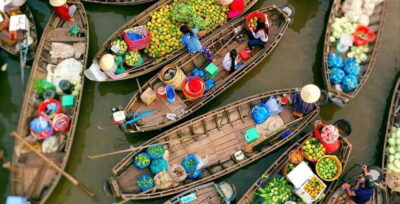
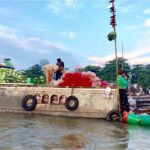
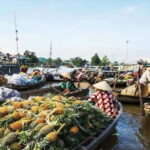
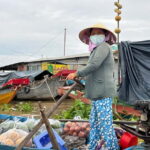
Arriving at the floating market, you’ll get an explanation of what it means locally—how families trade, why goods move by water, and what you’re seeing as boats pass close by. You’re there early enough to feel the energy without it turning into pure chaos.
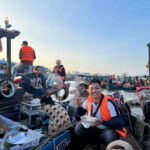
Then comes the fun part: eating on the water. You’ll try floating noodle soup onboard, sip Vietnamese milk coffee, and enjoy fresh pineapple served in a pineapple boat setup. These aren’t random snacks tacked on at the end; they help anchor the trip to what people actually do and buy in the Mekong Delta.
There’s also a reality check worth knowing. The floating market scene can shift over time, and you may not see the same level of market activity that older photos suggest. Still, even with a lighter feel, you’ll learn what makes this trading culture distinctive, and you’ll likely get better personal time because the group is small.
Hu Tieu noodle factory: from rice to real craft
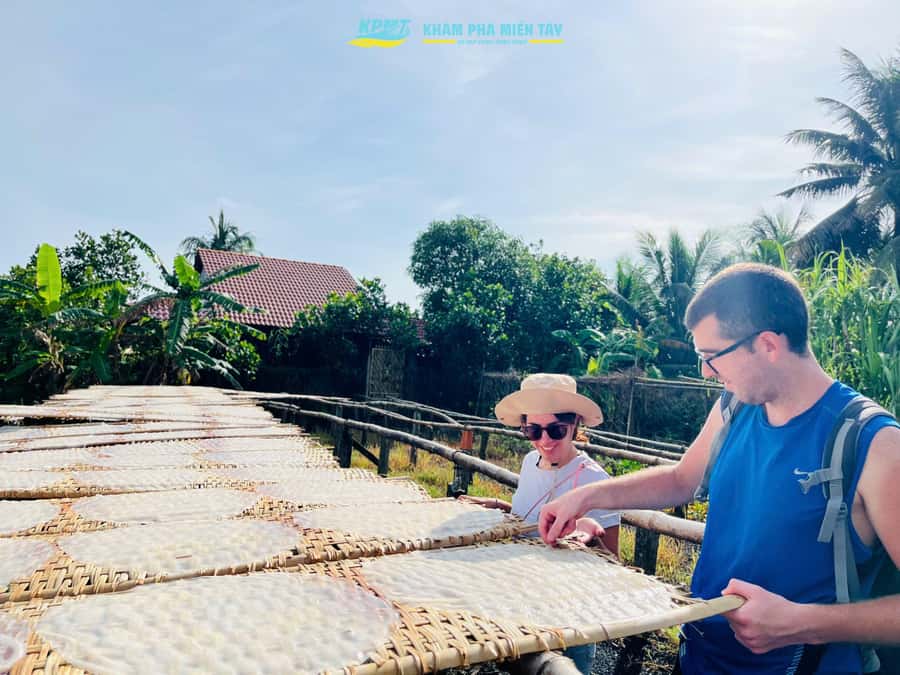
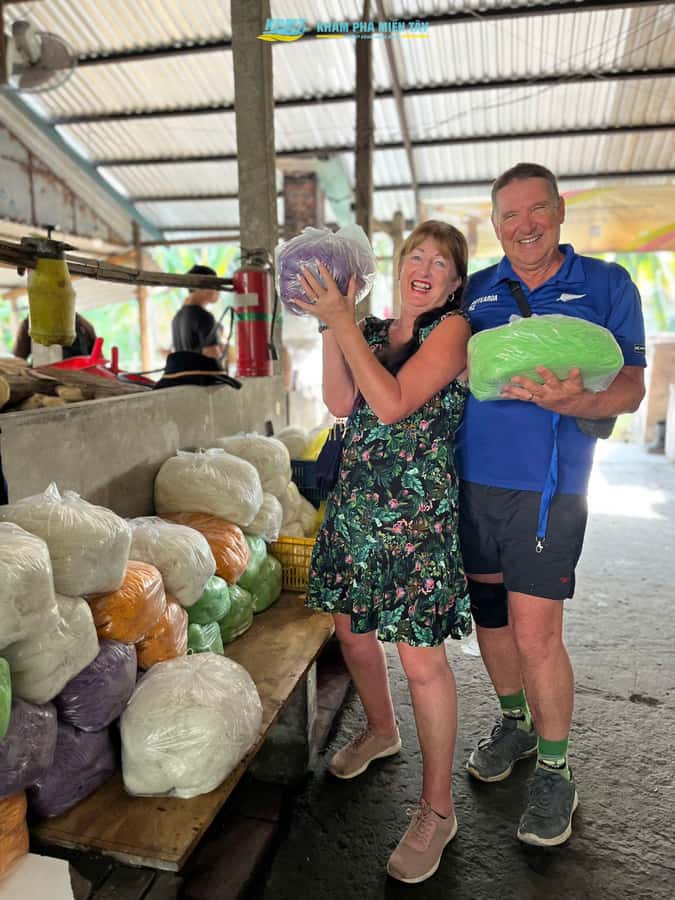
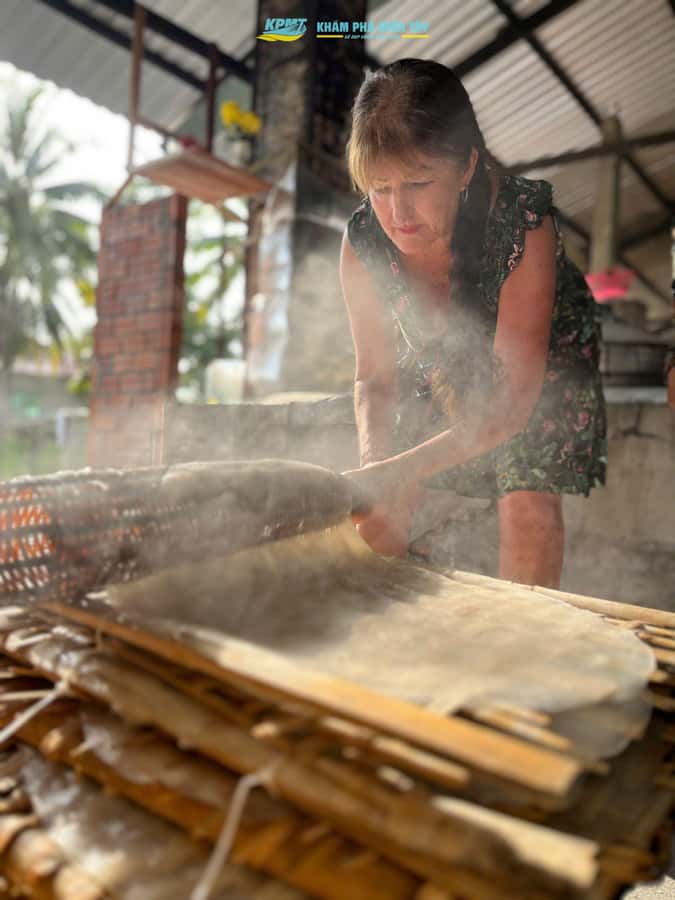
Next stop is a traditional rice noodle factory where you’ll watch how Hu Tieu noodles are made step by step. This is one of the most valuable parts of the tour because it turns a food you already know into a process you can picture. You’ll also get a chance to try making noodles yourself, guided by the person who knows the work best.
Expect to see the basic flow of making rice noodles—handling, shaping, and the techniques that determine texture. And yes, you’re not just watching silently. The tour is designed so you can participate, which helps the whole experience stick in your mind.
You’ll also get a special dish that you can’t simply buy elsewhere: a crispy homemade rice noodle pizza. It’s the kind of snack that makes perfect sense after the noodle lesson because suddenly you understand how the ingredient becomes something new.
In one tour experience, the guide named Tom was praised for clear explanations while you’re watching and eating. If you get a guide like that, you’ll feel the process click faster and ask better questions.
A local house for Hu Tieu: why the second look matters
After the factory, the tour doesn’t stop at one method. You visit a local house to see how people make Hu Tieu there too. This second stop is useful because it shows how craft can vary by household—tools, timing, and small technique differences you won’t catch if you only see one workshop.
It’s also a quieter moment compared with the factory pace. You’ll get more context for how families fit food work into daily life. If you care about culture beyond food names on a menu, this is where the tour quietly wins.
Nursery vegetable village: seeing farming up close (and why it’s special)
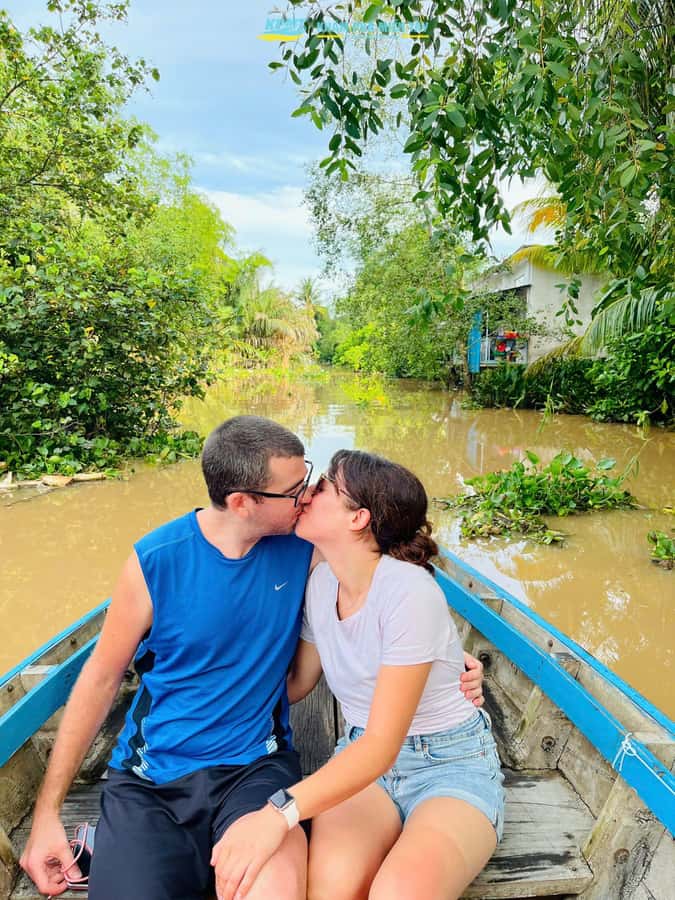
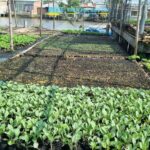
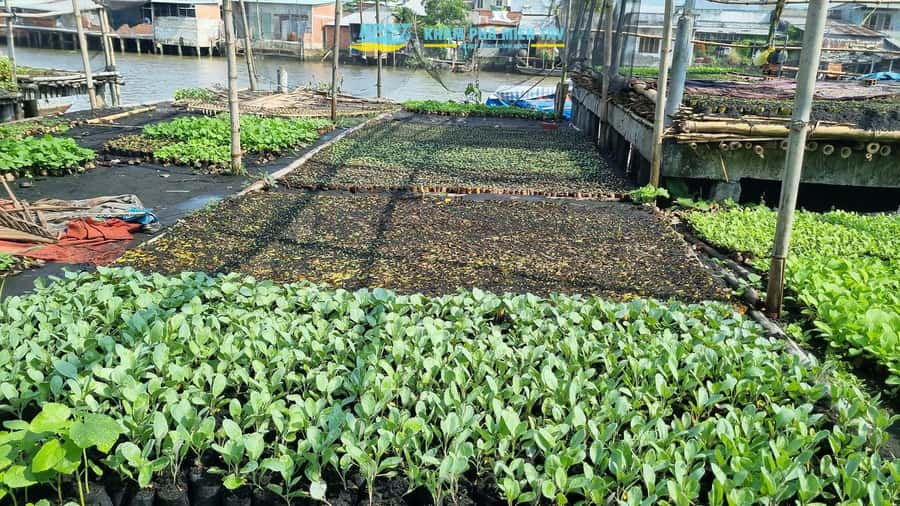
Then you walk through a nursery vegetable village, learning how locals grow vegetables at the nursery stage. This is a different side of the Mekong Delta than the river trade. Instead of boats and markets, you’re focused on seedlings, plant routines, and the practical know-how that keeps farms productive.
The tour description frames it as a very nice village, and that matters because you’re not just walking past fields—you’re learning what you’re seeing. In plain terms, the Mekong Delta economy isn’t only fruit and fish. Nursery vegetables are a real supply chain, and this stop gives you a human explanation of the work behind it.
If you like getting out of the usual tourist loop, this part is a welcome change. It also makes your dragon fruit stop feel connected instead of random.
Dragon fruit garden and the canal sampan ride
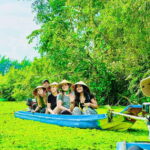
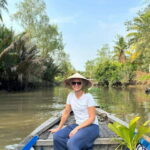
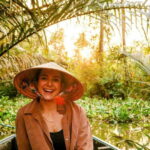
After the vegetable village, you head back onboard and move into a canal area lined with water coconut along both sides. The tour then includes a dragon fruit garden where you can try the fruit.
This section works well because it blends scenery with a food moment. You’re seeing a farming landscape and then tasting one of the crops grown in that region. It helps you remember the area as something agricultural, not just watery and scenic.
The rowing option (depends on tide)
There’s sometimes an opportunity to row the boat yourself. Whether you can go through the canal or only for a short distance depends on the tide. Even if you get only a short rowing moment, it’s still useful because it makes you feel the boat handling and the canal scale in a way that sitting and snapping photos can’t.
The tour also includes a bit of walking to check out nursery plantations nearby. And there’s a chance to offer small gifts to local kids as you talk with people. If you’re the type who likes respectful, small gestures, this is a meaningful way to connect—just keep it light and follow what your guide suggests.
How the 5 hours adds up (and where you might feel it)
This is a tight timeline: you start at 06:00 AM and you’re back around 11:00 AM. That’s great if you want a half-day activity without losing your whole day, especially in Can Tho.
Where you’ll feel the schedule is on transportation time. One review mentioned that there’s quite a lot of transport on the Can Tho river and also on a small canal. That matches the structure here: multiple water segments plus walking at each stop.
If you don’t love long stretches on a boat or you’re sensitive to sun, treat the first hour like the start of a workout, not a relaxed stroll. Wear comfortable shoes, and plan to reapply sunscreen if the morning gets bright.
Also note: the tour isn’t designed for people who need accessibility accommodations. It’s listed as not suitable for wheelchair users, and it’s also not recommended for pregnant women or people with back problems. If that applies to you, choose another format with less movement and transfer.
Price and value: what $24 gets you
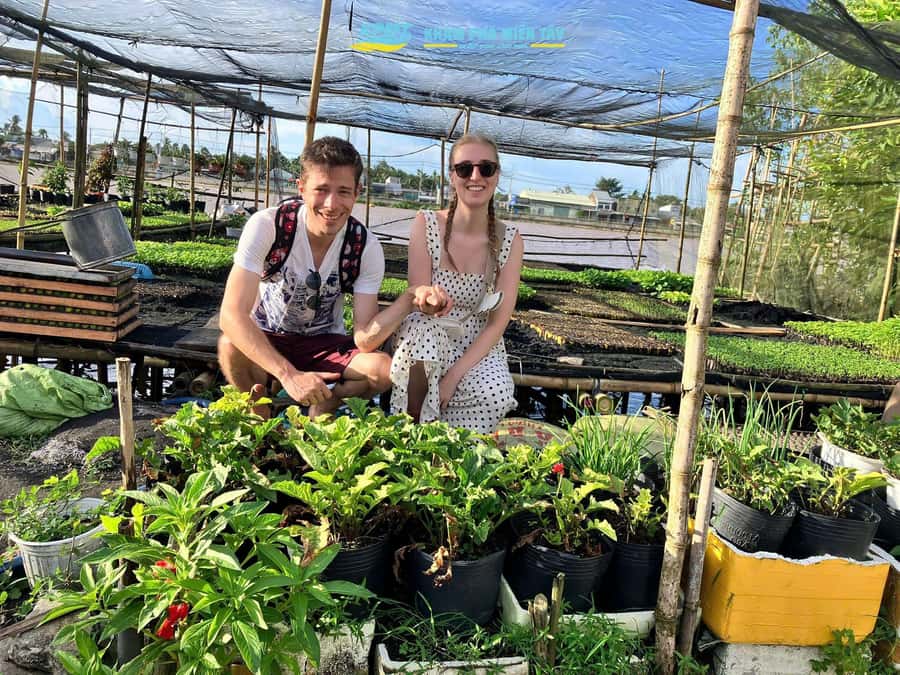
At $24 per person for a 5-hour tour, the value comes from a few things working together:
- Multiple boat types (wooden boat to the market plus sampan on the canal)
- English-speaking guide
- Breakfast, coffee, and fruits included
- Hands-on Hu Tieu noodle making, plus tastings at the floating market
A lot of river experiences only sell the boat ride and then feed you something simple. Here, you’re paying for both the food and the learning component—especially the noodle factory and the nursery vegetable village.
One more value signal: the group is capped at 6 participants. That small size matters on water, where spacing and conversation can otherwise get crowded fast. In practice, it makes it easier to ask questions and get a real explanation of what you’re seeing.
What to bring (so the morning stays fun)
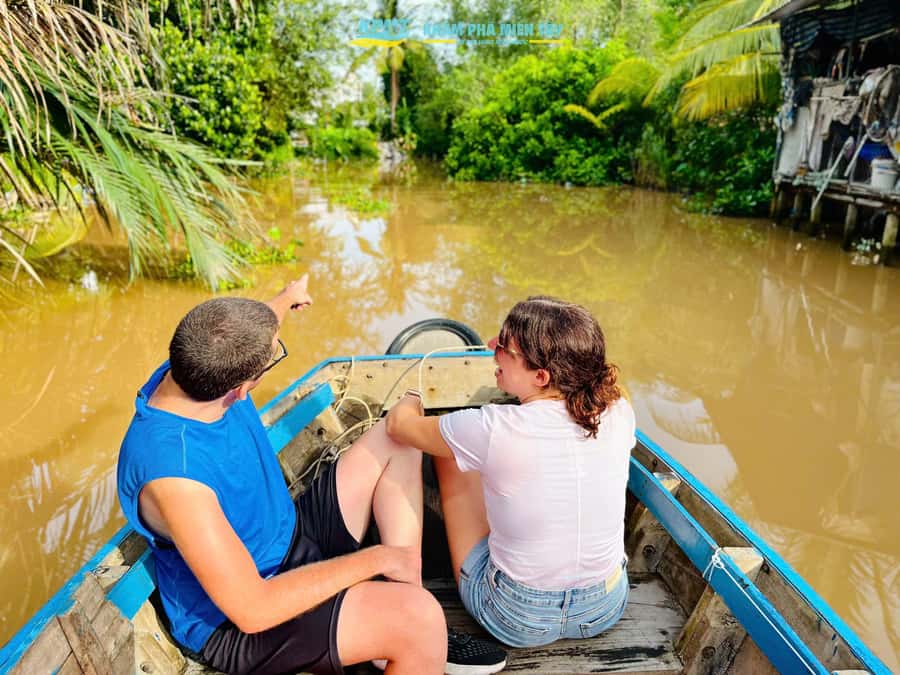
The tour is outdoors, mostly on water, and in a rural setting. Your checklist is simple, but it matters.
Bring:
- Comfortable shoes
- Hat
- Camera
- Sunscreen
- Water
- Insect repellent
A few “do this, not that” reminders: smoking and littering are not allowed, and plastic bottles are discouraged. If you have one, use a reusable water bottle so you’re not scrambling to find alternatives.
If you want to take part in gifting to kids, consider bringing small gifts in a way your guide is comfortable with. Keep it simple and respectful.
Who should book this tour (and who should skip it)
Book this if you want a morning that mixes food craft, farming life, and river culture—not just a quick look from the shoreline. It’s especially good for people who love markets, enjoy cooking demonstrations, and want to understand how local work connects to what you taste.
Skip it if:
- You get motion sick easily or you’d prefer less time on boats
- You need accessibility support
- You’re not comfortable with early starts and outdoor walking segments
If you’re traveling with family, the kid-interaction portion can feel wholesome, but stick to the guide’s lead and keep expectations realistic.
Should you book it?
I think you should book this tour if you want a half-day in Can Tho that feels hands-on. The Hu Tieu noodle making and the nursery vegetable village give the trip depth that many floating market tours don’t offer. Add in the food stops—floating noodle soup, Vietnamese milk coffee, and pineapple—and you’ve got a day where the lessons and the meals reinforce each other.
If your priority is maximum time at the floating market itself, you might find the boat-and-transport portions a bit much. But if you care about understanding the Mekong Delta beyond the photos, this is a smart, good-value morning plan.
FAQ
How long is the tour?
It lasts about 5 hours.
What time do you pick up, and when do you return?
Pickup happens at 06:00 AM. The guide drops you back at your hotel around 11:00 AM.
Where is the meeting point?
The guide picks up at 28 Phan Đinh Phung, Ninh Kieu Ward, Can Tho city.
Is the tour guide available in English?
Yes, the tour includes an English-speaking guide.
What’s included in the price?
Transportation by boat and sampan, an English-speaking guide, breakfast, coffee, and fruits are included.
Do I get to make rice noodles?
Yes. You’ll visit a traditional rice noodle factory and try making Hu Tieu noodles step by step with guidance.
Are there any food or drink tastings?
Yes. You’ll enjoy floating noodle soup, Vietnamese milk coffee, and fruits including fresh pineapple.
What should I bring and what should I avoid?
Bring comfortable shoes, a hat, camera, sunscreen, water, and insect repellent. Smoking, littering, and plastic bottles are not allowed or discouraged.
Who is the tour not suitable for?
It’s not suitable for pregnant women, people with back problems, or wheelchair users.