REVIEW · CAN THO
Can Tho: Floating Market explore local life, Mekong farm
Book on GetYourGuide →Operated by FME travel · Bookable on GetYourGuide
Floating markets make more sense at dawn. This Can Tho ecotour gives you Cai Rang floating market time and breakfast on the river (including vegetarian options). The only real catch is the early start and a day that can run a bit long or short depending on water and tide.
I also like how this tour stays practical and local, not stagey. My day centered on hands-on food stops and simple, real countryside breaks, and my guide, Tieu Phung, kept things upbeat and easy to follow as we moved from boat to village.
You’ll travel by sampan and small boats on narrow waterways, so it’s not a big-comfort day. Still, if you’re okay with comfortable shoes and a bit of sun, it’s one of the better ways to see Mekong life without feeling rushed.
In This Review
- Key highlights I’d circle on your map
- Floating market timing: why 5:30 AM changes everything
- Breakfast at the floating market, made for real river life
- Cai Rang floating market: seeing it, then actually using the time
- Small canals by boat: the calm stretch people don’t plan for
- Inside a family rice noodle house: food you can make
- Village walk and a simple river cruise break
- The cacao farm visit and cacao milk taste
- Optional cooking class around 3 PM for food-first people
- Price and value: what $54 buys on the Mekong
- Logistics that matter: pickup points, tides, and comfort
- Who this tour is best for (and who should skip it)
- Should you book Can Tho: Floating Market explore local life, Mekong farm?
- FAQ
- What time does the tour start in Can Tho?
- Is breakfast included, and are vegetarian options available?
- How long do you spend at the floating markets?
- Do you include visits beyond the floating market?
- What language is the guide, and is there an option for French?
- Is there a chance the schedule changes during the day?
Key highlights I’d circle on your map
- Sunrise at 5:30 AM for the calmer river mood and best light
- Breakfast prepared by a local vendor right at the floating market (vegetarian options)
- Paddle into small canals by boat for quiet views like water palms and coconut trees
- Family rice noodle house where you can try making noodles using traditional techniques
- Cacao farm visit with cacao milk plus a look at how the family grows and processes beans
- Small groups or private format with a simple boat setup (not fancy, just direct)
Floating market timing: why 5:30 AM changes everything
The tour starts early—pickup at 5:30 AM, heading out as the sun rises. That timing matters in Can Tho because the river looks different in the early hours. You’re not fighting heat yet, the air feels softer, and you get a quieter sense of how boats actually move through the waterways.
This trip also has built-in flexibility. Timing can shift due to waterway conditions, and the route may adjust to match what’s workable that morning. In other words, you’re not marching through a rigid checklist no matter what the Mekong decides.
If you hate early alarms, be honest with yourself: this isn’t a late breakfast kind of day. But if you like seeing places before they get busy, sunrise here feels like a free upgrade.
You can also read our reviews of more tours and experiences in Can Tho.

Breakfast at the floating market, made for real river life
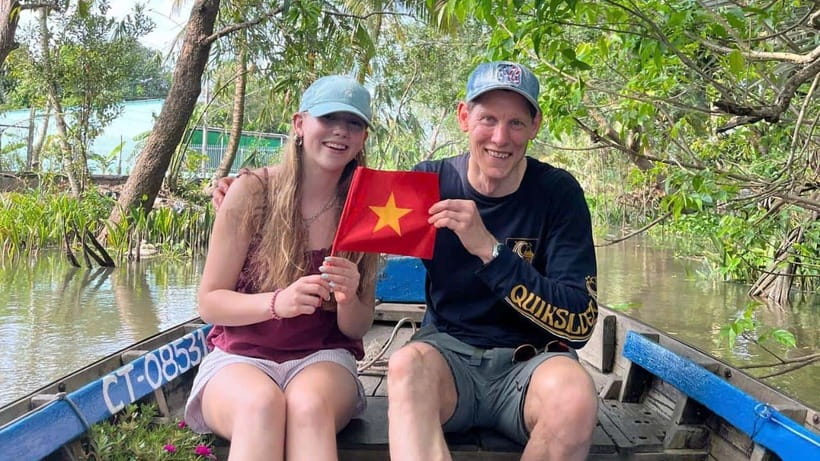
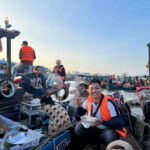
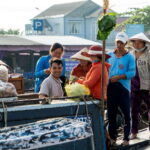
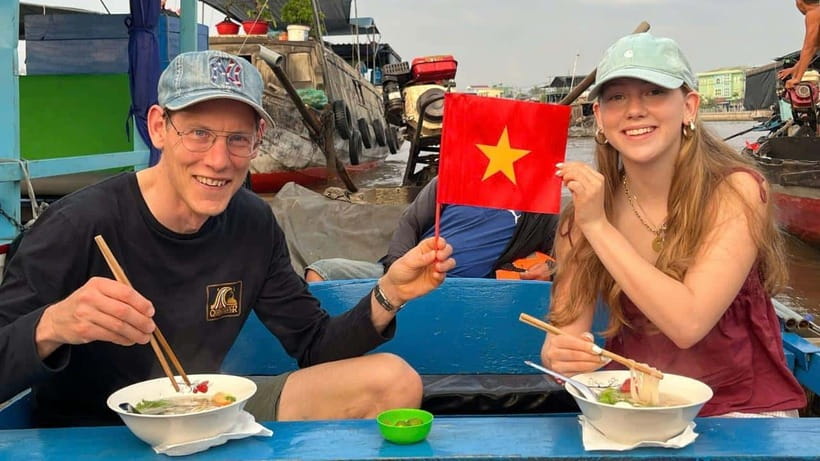
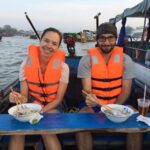
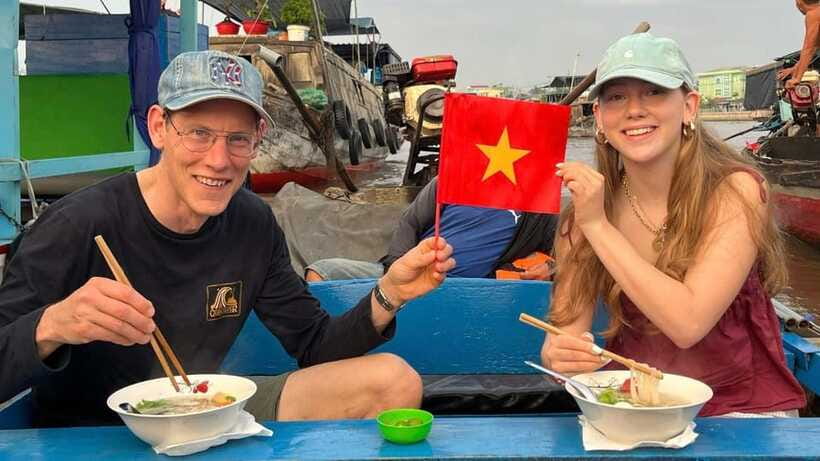
You arrive at the Cái Răng Floating Market around the morning window when boats are active but the day still feels calm. Breakfast is prepared by a local vendor, and the tour includes fresh fruit and drinks, with vegetarian breakfast options available.
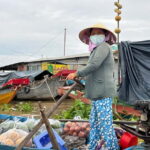
What I like about doing breakfast here is how it changes your mindset. Instead of treating the floating market like a photo stop, you’re eating from the flow of the place—meals tied to daily work. You’ll also notice how many transactions happen at water level, with people chatting, buying, selling, and moving on without needing a performance.
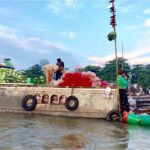
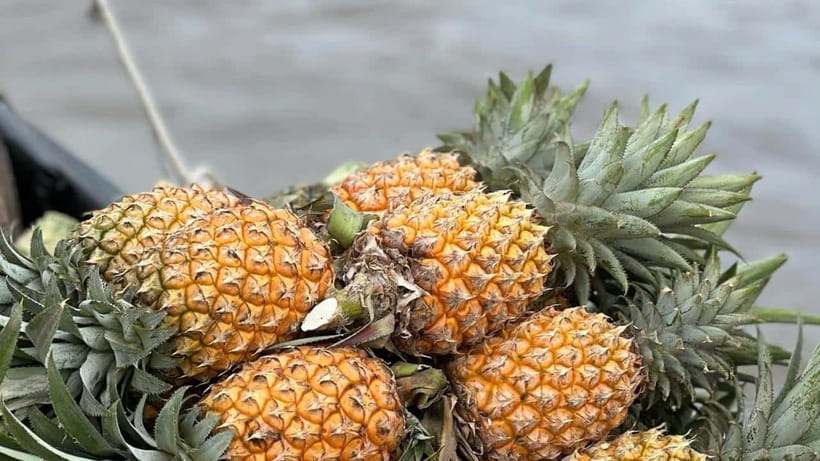
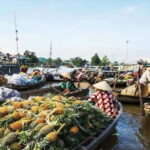
There’s also a pineapple boat stop for fresh fruit and quick conversation with vendors about river life. Even if you don’t speak Vietnamese, you’ll quickly pick up the rhythm: short greetings, hands doing their jobs, and everyone moving with a purpose.
Practical note: bring sunscreen and a hat. Even in morning sun, you’ll be outside on and around boats.
Cai Rang floating market: seeing it, then actually using the time
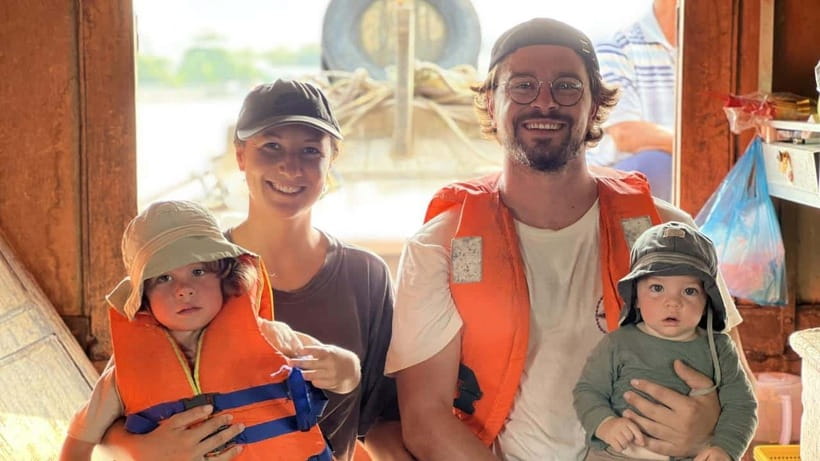
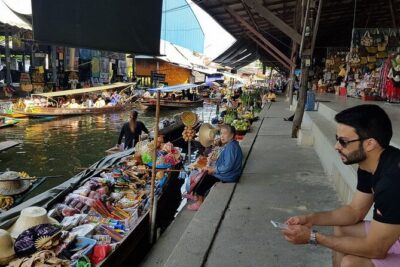
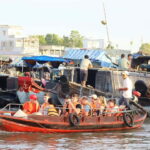
Later in the morning you get dedicated Cai Rang Floating Market time—both a photo stop and a guided viewing window. This is the part many people imagine when they hear floating market. Boats cluster, goods move between vessels, and you’ll see the choreography of the river economy up close.
The tour schedules the visit so you have a chance to look around and take in details, not just skim past. There’s a break segment too, where you can grab coffee or tea along with your breakfast portion tied to the market experience.
One small reality check: this is not a controlled museum environment. It’s working waterfront. If you’re looking for perfect lines and quiet paths, you might find it a bit busy in spots. But if you want to understand how the Mekong works day to day, this is the right kind of chaos.
Small canals by boat: the calm stretch people don’t plan for
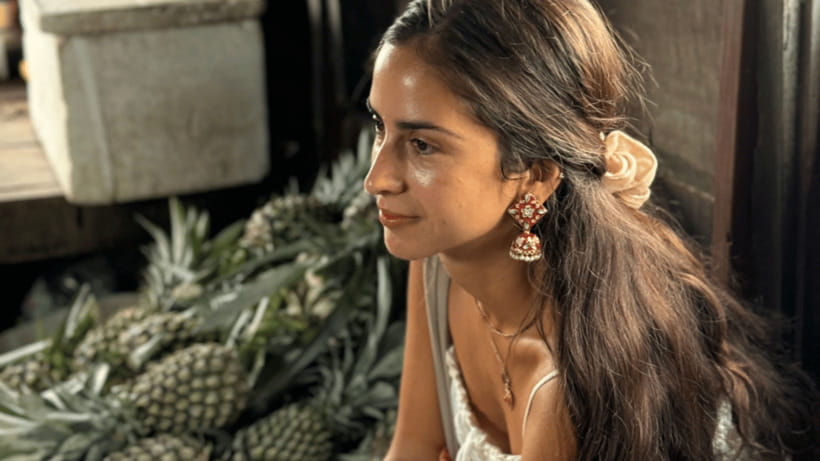
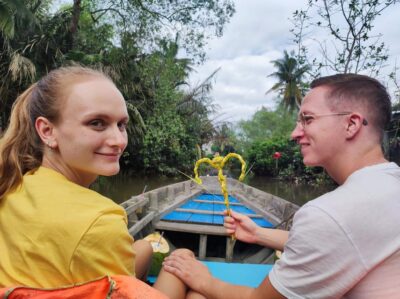
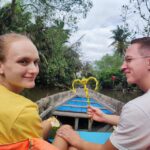
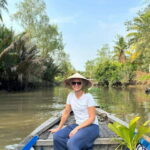
After the markets, you trade the bigger river scene for peaceful small canals. A key part of the experience is the boat travel into quieter channels—described as a paddle-through nature moment—where you can listen to gentle sounds and spot things like water palms and coconut trees.
This section matters because it balances the morning’s activity. It gives you breathing room and helps you connect the floating markets to the surrounding lifestyle. The canals aren’t just scenery; they’re the routes people use, and you can feel how local life is shaped by water access.
If you’re the type who loves photos, this is your chance for softer light and more “quiet Mekong” scenes. If you’re more practical, it’s still a good reset before the food and village sections.
Inside a family rice noodle house: food you can make
Next comes one of the most interesting parts for me: a visit to Lò hủ tiếu Chín Của, a family-run rice noodle house. You don’t just watch from the doorway. You get a guided visit, a short walk, and you’ll learn the traditional technique used to make colorful noodles—and you can try making your own.
This matters because rice noodles are one of those “everyday” foods that can feel generic until you see the process. Here, you get a sense of how labor and know-how sit behind something you’d normally buy wrapped or boxed.
Also, the tour doesn’t frame it like a shop. It’s presented as a working, local place where techniques have been passed down. If you care about how food culture stays alive, this is the stop that turns “snack tour” into “understand the craft.”
Heads up: the noodle stop is hands-on, so comfortable shoes help. You might also want to keep your arms relaxed and avoid rushing if you’re not used to kitchen-style movements.

Village walk and a simple river cruise break
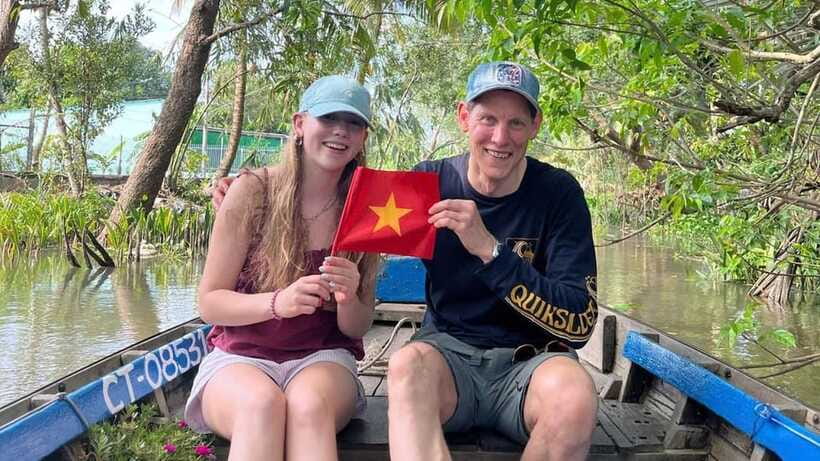
The day continues with a village walk and more river time. You’ll head to an area marked as Rạch Trường Tiên, with photo time, a guided visit, and a boat cruise segment that keeps you moving through the waterways.
Then comes on-foot time through a local village. The goal here isn’t sightseeing like you’re checking boxes. It’s a short walk that gives you a glimpse of daily life—traditional homes and everyday rhythms—so you understand that the Mekong isn’t only about boats and markets.
This is also where you can get the most “human scale” moments. If your travel style is calm conversation and observation, you’ll appreciate this section. If you prefer major landmarks and monuments, you might find it smaller and slower—on purpose.
The cacao farm visit and cacao milk taste
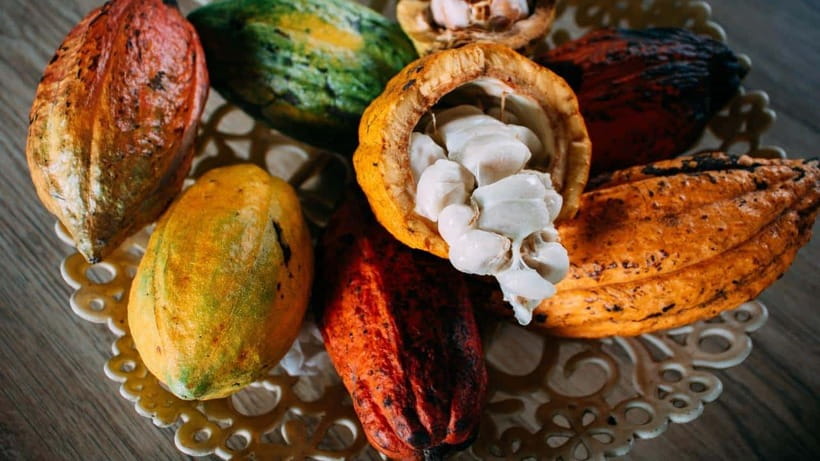
One of the tour’s best practical stops is the cacao farm. You visit Vườn Ca Cao Mười Cương, a cacao plantation where a local artisan explains how cacao is cultivated and processed using traditional methods.
The tour also includes a glass of cacao milk, which is a great way to connect the farm work to what you’ll actually taste. It’s not just a walk through trees—it’s a look at the process and a chance to sample something made from the result.
The stop is tied to a person in the plan: you’ll get insights from Mr. Cacao (as described in the experience), which makes the visit feel more personal than a generic farm tour.
If you’re a chocolate person, you’ll enjoy it. If you’re not, the farm still works because cacao is a real crop with real work behind it, and you’ll see that the Mekong area supports more than rice.
Optional cooking class around 3 PM for food-first people
If you still have energy after the main tour, there’s an optional cooking class that runs later—around 3 PM. The add-on includes a visit to a local market to pick ingredients, followed by a cooking session with a local chef at a homestay.
I like the logic here: you get the morning food craft lesson (noodles), then later you get the full cooking context (market ingredients + cooking). It’s not required, but if food is your main reason for traveling, this is a smart way to keep learning instead of switching to pure sightseeing.
Wear something easy to move in. If you tend to get hungry fast, you’ll probably feel ready for the class after the earlier breakfast and river time.
Price and value: what $54 buys on the Mekong
At $54 per person, this tour is priced like a full-day experience, not a quick half-day boat ride. You’re paying for:
- Early pickup and drop-off within Can Tho city center
- Boat transport (sampan/small boat with a driver)
- Breakfast plus fresh fruit and drinks
- Entrance fees for key stops (floating market, noodle house, cacao farm, village walk)
- A guided experience with English and French support
The value angle for me is the mixture: market + food craft + quiet canals + village + cacao. You’re not just getting one theme for your money.
Two practical cautions about value:
1) You’re in small boats, which are described as simple. This isn’t a luxury comfort tour.
2) The day is early. If you lose sleep and feel cranky, no price is worth that.
But if you like authentic daily life and you can handle morning start times, this cost feels fair for the amount of access you get.
Logistics that matter: pickup points, tides, and comfort
Pickup starts at 5:30 AM and is offered from multiple hotel options in Can Tho city. The tour is designed for people staying in the city center; pickup and drop-off are included for locations within a 2 km radius of the meeting point (Ben Pha Xom Chai). If you’re farther out, there’s an extra fee.
Duration is listed around 7 to 9 hours, and the tour may end earlier or later depending on tide conditions. So plan your afternoon lightly. If you have a fixed appointment later that day, keep a buffer.
What to bring is straightforward and honestly important:
- Comfortable shoes
- Hat and sunscreen
- Water
- Camera
- Comfortable clothes
Also note the day isn’t for everyone. It’s listed as not suitable for wheelchair users, people with back problems, and pregnant women. If any of these apply, it’s better to choose a different style of tour.
Who this tour is best for (and who should skip it)
This ecotour is a strong fit if you want:
- Early morning experiences and real local rhythm
- Food-focused stops with hands-on learning
- A mix of waterways, farms, and daily village life
It may not be ideal if you:
- Need a later start or have limited ability to walk
- Want a high-comfort boat ride with minimal transfer time
- Get stressed when the schedule shifts because of water conditions
If you’re the type who enjoys small details—how people work, how food gets made, and how canals connect everything—this day will feel worth every early minute.
Should you book Can Tho: Floating Market explore local life, Mekong farm?
Yes, I’d book it if you can handle a 5:30 AM start and you want the Mekong to feel like daily life, not a staged show. The main reason is the balance: you get the floating market, then you keep moving into quiet canals, family food craft, and a cacao farm with a real tasting moment.
If you hate early mornings, or if you’re looking for major monuments and long stays on land, you might feel restless. Also, remember the boat setup is described as simple—fine for most people, but not for anyone wanting luxury.
Overall, this is a good value for what you get: breakfast included, transportation included, and multiple local stops that connect rather than repeat.
FAQ
What time does the tour start in Can Tho?
The tour starts early at 5:30 AM with sunrise pickup, and the day usually lasts about 7 to 9 hours.
Is breakfast included, and are vegetarian options available?
Yes. You’ll have breakfast at the floating market, and vegetarian breakfast options are available. Fresh fruit and drinks are also included.
How long do you spend at the floating markets?
The plan includes time at Cái Răng (for breakfast and experience) and Cai Rang with photo time, guided sightseeing, and a break segment.
Do you include visits beyond the floating market?
Yes. The schedule includes a family rice noodle house, a small canal segment, a village walk, and a visit to a cacao farm with cacao milk.
What language is the guide, and is there an option for French?
The tour includes a live guide in English and French. A French speaking guide with extra fee is also mentioned.
Is there a chance the schedule changes during the day?
Yes. The tour notes that timing may change due to waterway conditions/tide, and the tour may end earlier or later as conditions allow.