REVIEW · CAN THO
Can Tho: Authentic Floating Market, Wild Canal system, Cocoa
Book on GetYourGuide →Operated by REC · Bookable on GetYourGuide
Morning boats in the Mekong always feel different. This Can Tho trip strings together the Cai Rang floating market at its busiest, a slow canal cruise through leafy waterways, and hands-on food culture with organic cocoa and noodle making. You get a full slice of daily life without the frantic 5:00 am grind.
I especially like the small group size (max 8), because it keeps the boat time friendly and the guide’s stories personal. I also love that breakfast happens right at the floating market with noodle soup, Vietnamese coffee, and fruit from boat vendors, so the day tastes like the Delta.
One consideration: you start at 6:45 am and spend plenty of time outdoors on boats and along village paths, so plan for sun and heat. Also, it’s not suitable for people with altitude sickness and it’s not aimed at anyone over 70.
In This Review
- Key things I’d plan around
- Cần Thơ’s An Bình meet-up: the easy start that saves energy
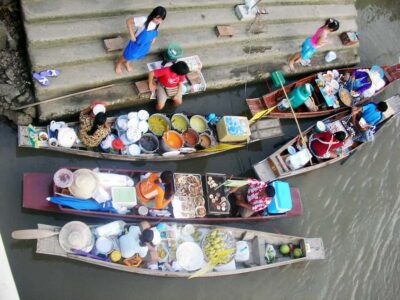
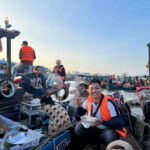
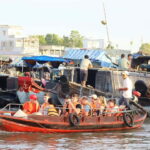
- Cai Rang Floating Market: breakfast, coffee, and fruit from boat-to-boat
- Sampan cruise through the wild canals: quiet scenery after the noise
- Lò hủ tiếu Chín Của noodle village: how the Delta makes comfort food
- Mỹ Khánh break time: a small pause that keeps the day pleasant
- Vườn Ca Cao Mười Cương: organic cacao and chocolate from plant to treat
- Local villages and tropical fruit tasting: the Delta’s color-coded snack map
- Price and value: how $26 turns into a full Mekong Delta loop
- What the guide makes possible (Ana, Thuy, Hannah, Sasa, Clara…)
- Who should book this tour, and who should skip it
- Should you book Can Tho: Authentic Floating Market, Wild Canal system, Cocoa?
- FAQ
- What time does the tour start?
- Where is the meeting point in Cần Thơ?
- How many people are in the group?
- What’s included in breakfast?
- What drinks and food are included besides breakfast?
- What vehicle do you use on the water?
- What should I bring?
- Are there restrictions on what I can bring?
Key things I’d plan around
- Cai Rang timing: you arrive for the market’s real action window (7:00–9:00), not the old 4:00 am rumor
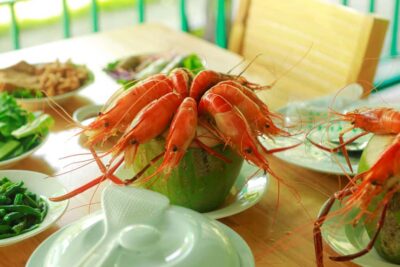
- Breakfast on the water: noodle soup and strong coffee, plus floating-café style fruit vendors
- Wild canal cruise: narrow waterways with water coconuts and jungle growth, good for calm photos
- Food-first stops: noodle-making village and an organic cacao farm with plant-to-treat chocolate
- Guide support: English-speaking local guides, often young and university-educated, who help you understand what you’re seeing
Cần Thơ’s An Bình meet-up: the easy start that saves energy
The day begins at Chợ An Bình (An Binh Market). Pickup is at 6:45 am, and you’re told to wait in front of the gate (ĐT923 street, An Binh ward, Ninh Kiều district, Cần Thơ). This matters more than it sounds. In the Mekong Delta, time is usually lost to long transfers and early shuttles from the city center.
Here, you’re set up to go straight to the floating market area. That keeps you from burning your morning in a car and lets you show up while boats are actually moving. Since your tour also runs about 330 minutes, starting well and staying efficient helps you hit every stop without feeling rushed.
You can also read our reviews of more tours and experiences in Can Tho.

Cai Rang Floating Market: breakfast, coffee, and fruit from boat-to-boat
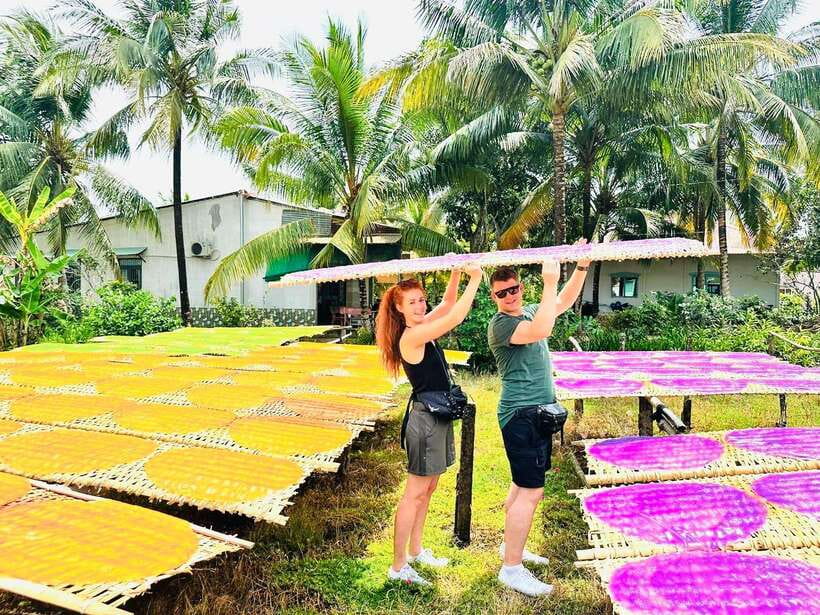
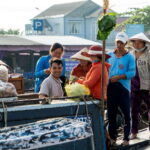
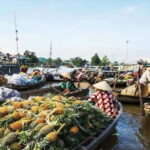
Cai Rang is the headline, and it’s smartly scheduled. You reach it during the market’s liveliest hours, 7:00–9:00 am. Older online advice often says the market opens at 4:00 am, but that’s outdated by decades. For most people, arriving at 6:45 am gives you the best mix of variety and energy without needing an extreme wake-up call.
What you’ll experience is part shopping, part street food, and part floating café culture:
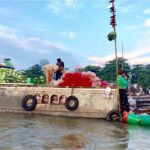
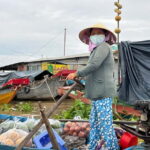
- You’ll see lots of fresh produce like pineapple, mango, rambutan, and watermelon.
- Boats act like stalls, and many serve quick meals on the water.
- Breakfast is included, and it’s built around noodle soup plus options like bread. Vegan food is available.
- You also get drinks including Vietnamese coffee.
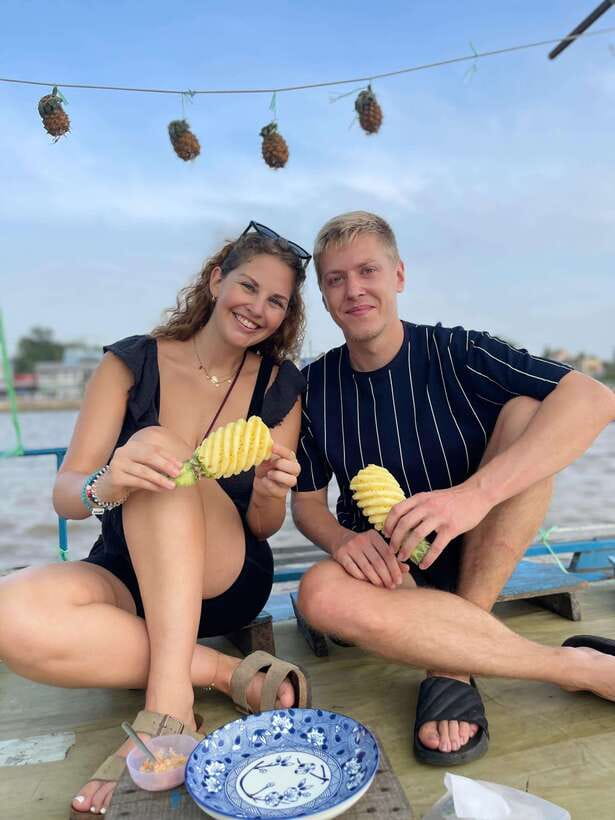
This is a “watch and learn” morning, but it’s also a “taste and participate” morning. You’ll be ordering like locals through the floating food spots, then continuing by boat. One small touch that people usually remember: you also get a sweet snack of freshly cut pineapple, a classic Mekong Delta flavor.
If you want to make the most of Cai Rang, think about what you want to photograph before you start eating. Early morning light bounces off water and fruit colors, so hats and sunglasses aren’t just comfort items. They help you stay focused while you’re moving between boats.
Sampan cruise through the wild canals: quiet scenery after the noise
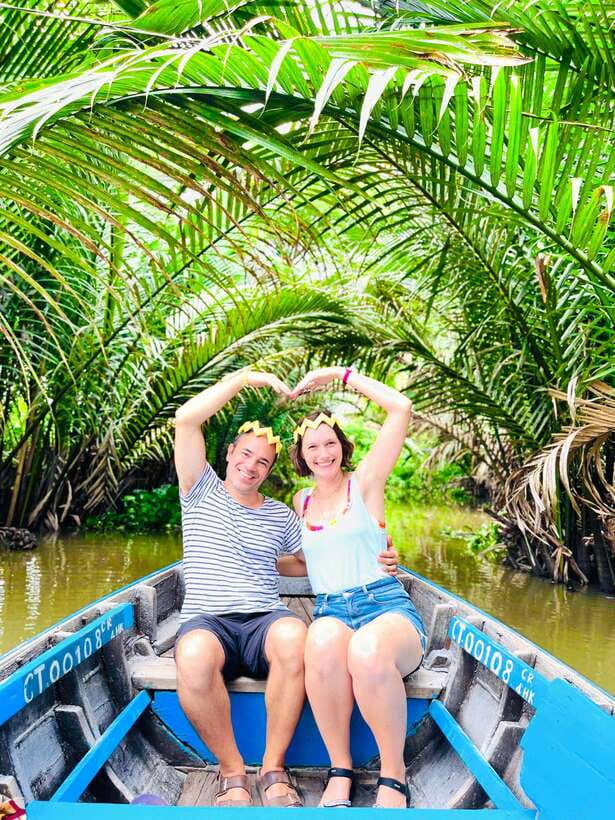
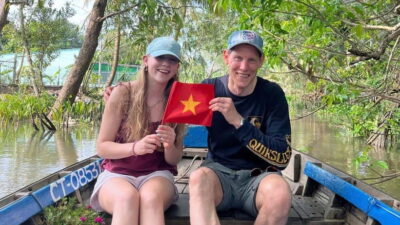
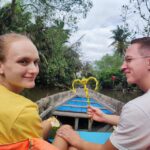
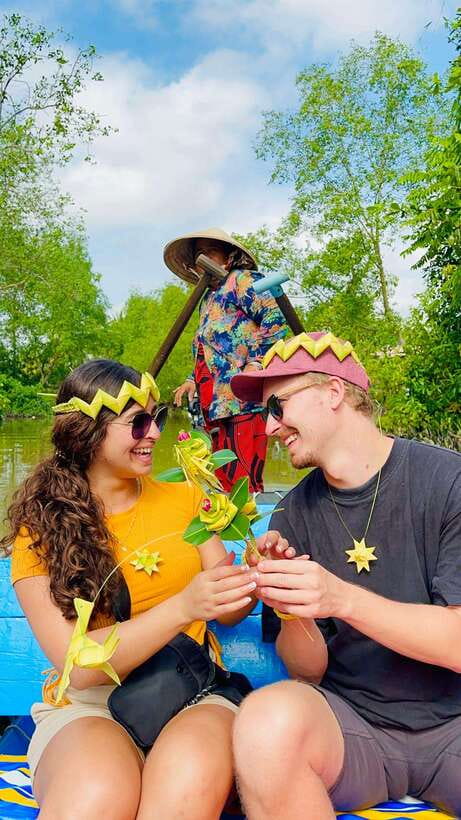
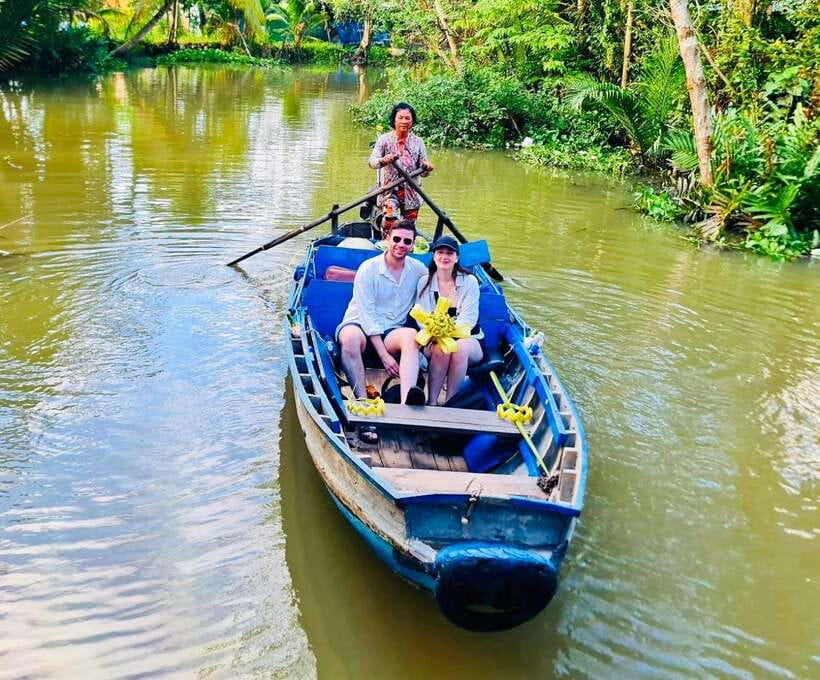
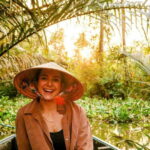
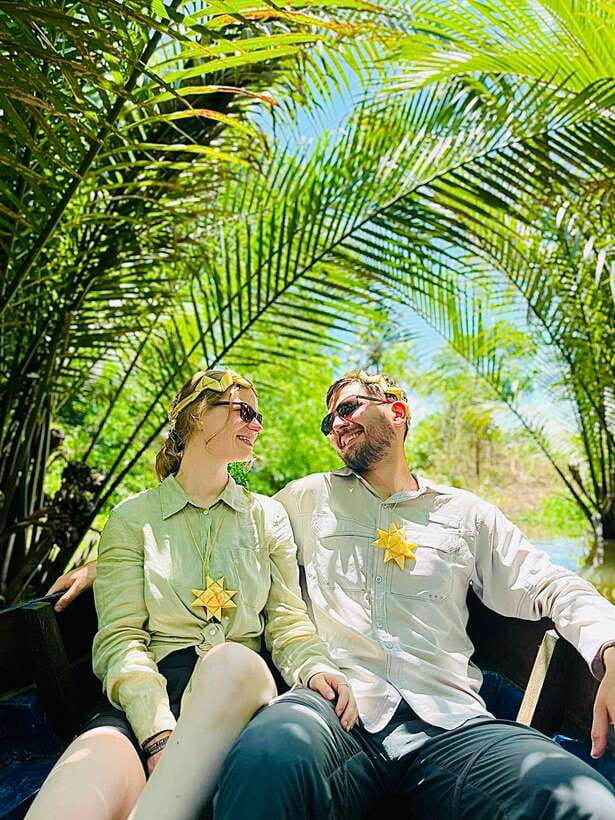
After the market, the route shifts gears into something calmer. You hop on a local boat (a sampan) and head into a maze of narrow canals. This part is where the tour becomes more than a food hit. It turns into a slower look at how people live with the water, not just on it.
You can expect:
- Tranquil waterways lined with plants and wild growth
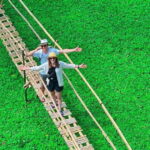
- Photo opportunities guided by your English-speaking host, who helps you get “romantic memories” without wasting time
- A sense of breathing room after the busier floating market area
The canal scenery isn’t staged. It’s the kind of Delta feel you miss if you only see markets. You’ll pass through places with wildweeds and water coconuts, plus plenty of greenery that grows naturally along the banks. If you like wildlife-adjacent scenes (even if you don’t spot rare animals), this is where you slow down.
Practical tip: keep your phone protected. Canal humidity and spray happen, especially in morning boat rides. Sandals and a hat matter here too, since you’ll likely be adjusting footing on and off the boat.
Lò hủ tiếu Chín Của noodle village: how the Delta makes comfort food
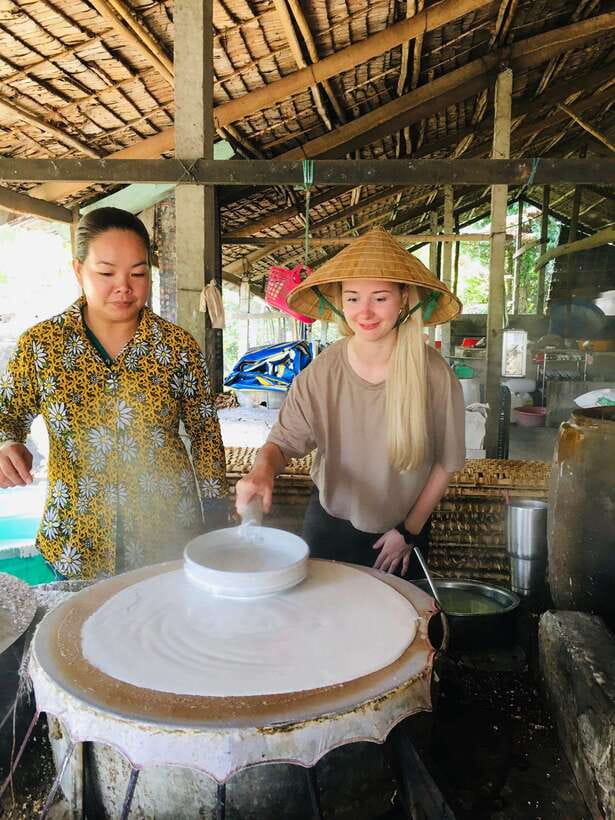
Next comes a more hands-on culture stop: the traditional and authentic noodle-making village (listed as Lò hủ tiếu Chín Của). You’ll spend about one hour here, with a guided visit and (based on the tour description) the chance to learn the methods of noodle production, including hands-on time making noodles.
Why this stop works so well: noodles in Vietnam are not just a meal. They’re a craft. And in the Mekong Delta, noodle production is tied to local ingredients, work rhythms, and multigenerational family practices.
What you’ll likely notice during the visit:
- The process is practical, not theoretical. You’ll see how raw materials turn into the finished noodles you eat every day.
- Families pass down methods, so the experience feels personal and rooted in routine, not a show.
As a bonus, the noodle village connects your morning story. After fruit and floating breakfast, noodles make sense as the next “everyday Delta product.” It’s also easy for your group to stay engaged because you’re watching a real production activity, not just walking past a viewpoint.
Mỹ Khánh break time: a small pause that keeps the day pleasant
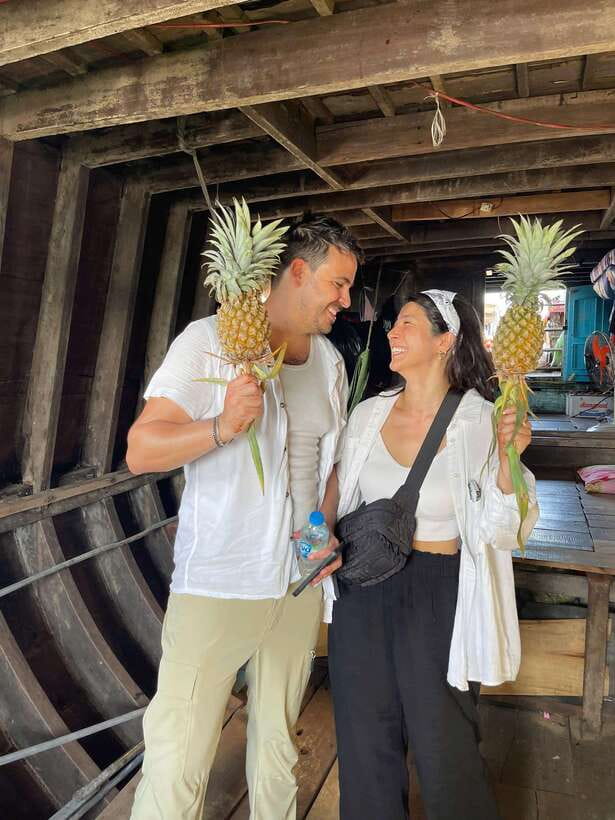
Then you move to Mỹ Khánh for a one-hour stop that includes break time plus sightseeing. This is the kind of segment that can make or break a tour day.
On a route this food-focused, people sometimes hit a wall: too much boat time, too much sun, too many flavors in quick succession. A break helps you reset. Even if you’re not doing a major activity here, it’s a chance to catch your breath, rehydrate, and regroup before the cacao farm visit.
Since the itinerary is structured around included snacks, drinks, and fruit, you’ll likely find this block useful for pacing yourself. If you have dietary preferences, this also feels like a good moment to ask your guide what’s coming next.
Vườn Ca Cao Mười Cương: organic cacao and chocolate from plant to treat
The cacao stop is the big flavor twist, and it’s handled like a real farm visit, not a candy shop stop. You’ll go to Vườn Ca Cao Mười Cương for one hour.
Key details that make this more than a tasting:
- The farm is described as organic
- There’s a family story behind it: the owner’s father brought the cacao plants back from Malaysia in 1960
- Chocolate goods are handmade and processed as a family effort
You also get drinks tied to this stop, including chocolate, plus other included drinks across the day. That means you’re tasting and learning at the same time, which helps it stick. When you see cacao growing, it’s easier to understand why certain chocolate flavors feel more intense or different from mass-produced bars.
If you’re the kind of person who likes food science but doesn’t want a lecture, this works. It’s simple: see the plant, learn the process, then taste the result.
Local villages and tropical fruit tasting: the Delta’s color-coded snack map
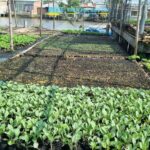
The trip continues with a leisurely walk through local villages, where you’ll see tropical fruit trees and learn about cultivation and harvest. Your guide explains biological traits and growing details, and you’ll taste fruits as part of the experience.
The fruit list included in the tour info is solid:
- Mango
- Pineapple
- Jackfruit
- Other tropical fruits
From the experience write-ups and guide notes, you might also run into fruits like star apple and water coconut. Those are the kinds of flavors that make people say the tour felt authentic. Not because it’s fancy, but because you’re eating what’s actually common in the region.
This last stretch matters because it gives the day a satisfying “finish line.” You’re not just leaving the Delta with photos of boats. You’re leaving with taste memories tied to specific trees and local farming knowledge.
Tip for enjoying the fruit stop: take small bites. The variety is part of the point, and it’s easier to appreciate each flavor when you’re not too full too fast.
Price and value: how $26 turns into a full Mekong Delta loop
At about $26 per person, the value comes from packing several usually-separate activities into one morning:
- Floating market time with included breakfast
- Boat transportation via sampan
- A noodle-making village visit
- An organic cacao farm visit with chocolate tasting
- Extra drinks (coffee, coconut, chocolate) and lots of fruit
For the Delta, boat time is the expensive part. You’re also getting an English-speaking local guide, and group size is capped at 8, which usually keeps attention from getting spread too thin.
So the real question isn’t just price. It’s whether you want a single, guided “Delta sampling menu” instead of picking individual stops on your own. If you want variety and you don’t want to manage schedules, this is a strong deal.
What the guide makes possible (Ana, Thuy, Hannah, Sasa, Clara…)
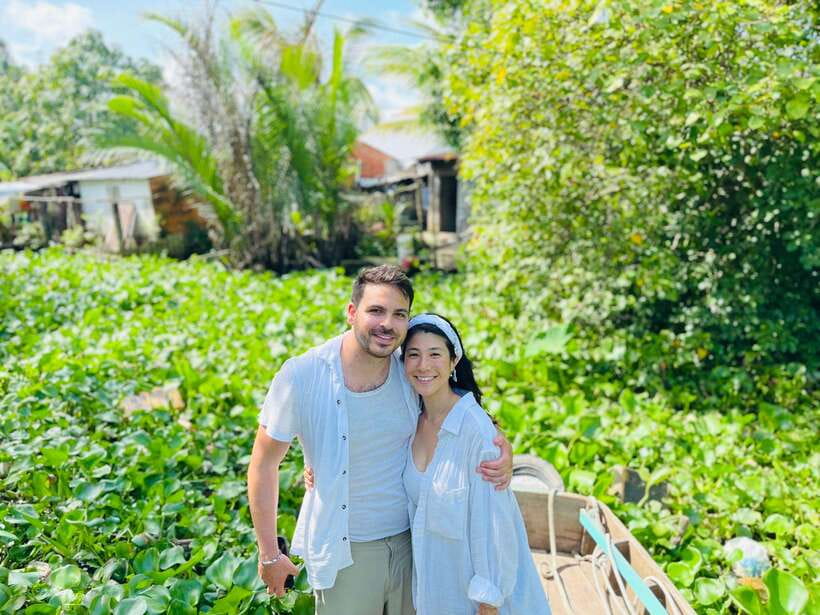
One pattern across the guide names mentioned in the experience details is that English is strong and the storytelling is practical. Guides you might be paired with include Ana, Thuy, Ruby, Cris, Mai, Tammy, Clara, Hannah, Lam, and Sasa.
You’ll notice the difference in two ways:
- You’ll understand what you’re seeing at the floating market, including how boats function as both transport and tiny food stalls.
- You’ll get context at the noodle and cacao stops so the day isn’t just eating and walking.
Also, some guides are noted for helping with photos along the canal. That’s not a small thing. Good guide timing means you don’t miss the best light and angles while you’re busy figuring out where to stand.
Who should book this tour, and who should skip it
This tour is a good fit if you want:
- A floating market experience that’s timed right (no extreme early start)
- A mix of food culture and scenic canal cruising
- A day where you don’t have to translate, negotiate, or plan transport between stops
It’s less ideal if:
- You can’t handle outdoor heat and boat riding for several hours
- You have altitude sickness
- You’re over 70
If any of those apply, consider other Mekong Delta options that fit your comfort and mobility needs.
Should you book Can Tho: Authentic Floating Market, Wild Canal system, Cocoa?
Yes, if your ideal Cần Thơ morning looks like boats, breakfast noodles and coffee, quiet canal views, and real food stops that explain themselves.
I’d book it especially if you like experiences where food comes with context. The floating market is fun, but it’s even better when you follow it with cacao and noodles, because you connect the Delta’s everyday production to what ends up on your plate.
Skip it if you’re only interested in one highlight (like just Cai Rang) and you don’t want a structured, full morning schedule. This tour is built as a loop: market to canals to craft stops to fruit.
If you book, show up with sunglasses, sun protection, and a plan to pace yourself. You’ll cover a lot of ground, and that’s where the small-group setup earns its keep.
FAQ
What time does the tour start?
Pickup is at 6:45 am at An Binh Market (Chợ An Bình).
Where is the meeting point in Cần Thơ?
The meeting point is An Binh Market, ĐT923 street, An Binh ward, Ninh Kiều district, Can Tho, Viet Nam. You wait in front of the gate.
How many people are in the group?
The group maximum is 8 travelers.
What’s included in breakfast?
You get local breakfast at the floating market, including noodle soup and bread. Vegan food is available.
What drinks and food are included besides breakfast?
The tour includes drinks such as coffee, coconut, and chocolate, plus tropical fruits like mango, pineapple, and jackfruit.
What vehicle do you use on the water?
You travel by sampan boat.
What should I bring?
Bring sunglasses, a sun hat, and sandals.
Are there restrictions on what I can bring?
You can’t bring alcohol and drugs.