REVIEW · CAN THO
Cai Rang and Phong Dien Floating Market Explore Mekong Delta
Book on GetYourGuide →Operated by Winter Spring homestay and tours · Bookable on GetYourGuide
Floating markets start before breakfast.
This Mekong Delta day trip is built for early mornings, so you get the sunrise feel on the river and the calm-before-the-crowds version of local life. I especially like the hotel pickup/drop-off that takes the stress out of getting to the right docks, and the mix of markets plus food stops (you’re not only shopping for photos). The one thing to think about is the start time: you’ll be up early, and the day moves fast between sites.
If you’re the type who gets uncomfortable in the sun and heat, bring a hat and sunscreen. You’ll also want comfortable shoes for boat steps and walking during market and fruit-garden moments.
In This Review
- Key highlights to look for on this Can Tho floating markets tour
- How the early pickup (4:20–5:00 AM) makes this tour worth it
- Sunrise breakfast on the Mekong River: fuel for a long morning
- Cai Rang Floating Market: the big one, but do it with a strategy
- Phong Dien Floating Market: smaller, older, and easier to breathe
- Local boat ride + fresh fruit: seeing commerce from the water
- The pho and rice noodle factory: where your morning turns practical
- Fruit garden sampling: star apple, dragon fruit, guava, and more
- Timing, tide, and your 11:30 AM return to Can Tho
- Price and value: what you’re really paying for at $49
- Who should book this Mekong Delta day trip (and who might not)
- Should you book? My practical take
- FAQ
- Where do you get picked up and dropped off?
- What time does the tour pickup start?
- How long is the tour?
- Which floating markets are included?
- Is breakfast included, and what is it like?
- Do you take a boat ride on the water?
- Is fresh fruit included?
- Do you visit a rice noodle and pho factory?
- What fruits will I get to sample?
- What should I bring for the early morning?
Key highlights to look for on this Can Tho floating markets tour
- 4:20–5:00 AM pickup from central Can Tho for a sunrise start on the Mekong River
- Cai Rang Floating Market plus a traditional Vietnamese breakfast on the water
- Phong Dien Floating Market for a smaller, more peaceful feel and canal scenery
- Local boat ride with fresh fruit included
- Rice noodle and pho factory stop plus an easy explanation of how noodles get made
- Fruit garden sampling such as star apple, dragon fruit, guava, oranges, and cacao
How the early pickup (4:20–5:00 AM) makes this tour worth it
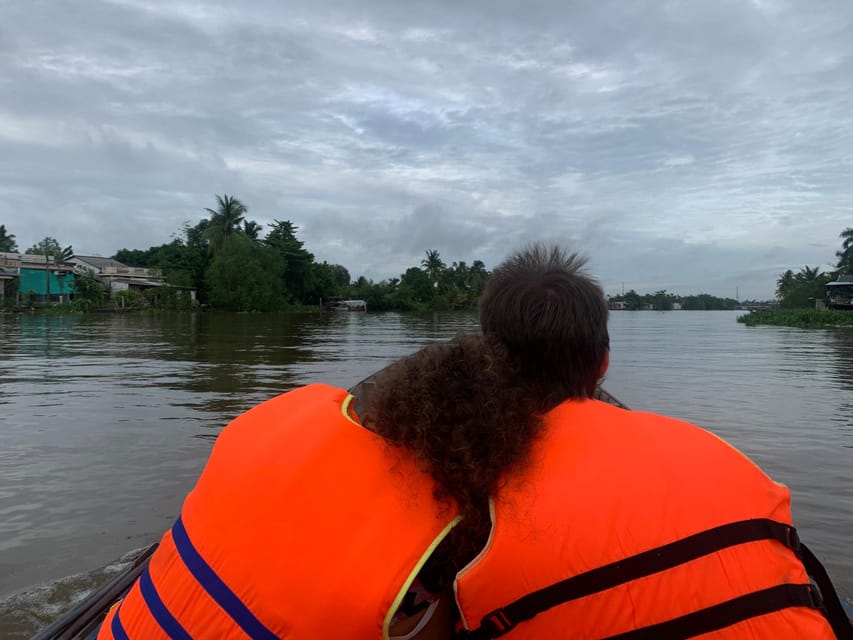
Your day starts with pickup from hotels in central Can Tho (or nearby areas within about 4 km from Ninh Kieu Ferry). The listed pickup window is 4:20–5:00 AM, which sounds brutal until you realize what it buys you: cooler air, softer light, and the kind of river activity that happens before it gets loud and busy.
The timing also matters for the market experience. Floating markets in the Mekong work on schedules tied to daily life, and being there early helps you see how people actually buy and sell—not just a crowd chasing spectacle. This tour is set up to get you moving while the river is still calm and the markets are just waking up.
One practical bonus: multiple pickup options are offered across central Can Tho, and if your hotel isn’t on the list, you can meet at Can Tho Market / Ben Pha Xom Chai. That’s helpful because not every street in town is easy to match to a pickup map.
You can also read our reviews of more tours and experiences in Can Tho.

Sunrise breakfast on the Mekong River: fuel for a long morning
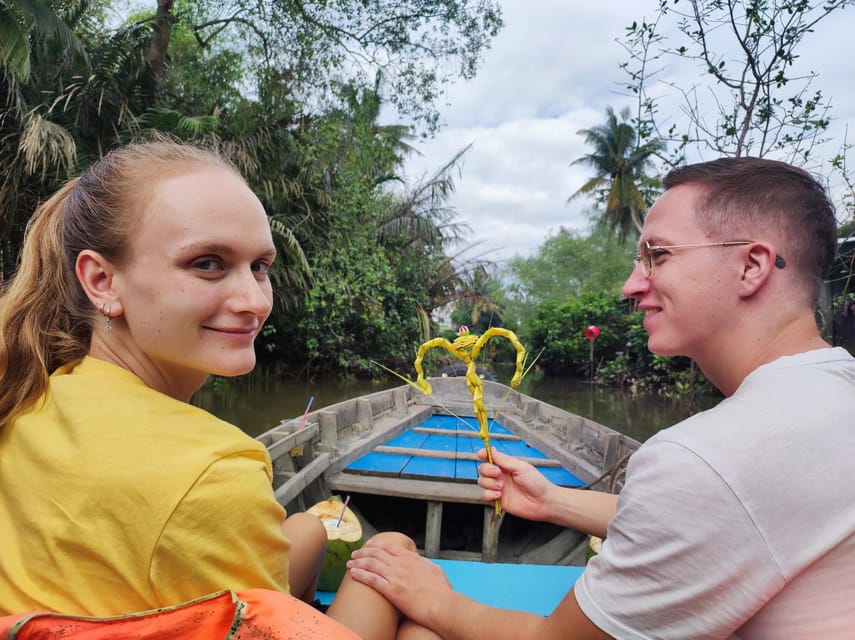
After pickup, you’ll head toward Cai Rang Floating Market with sunrise on the Mekong River along the way. The idea here isn’t just pretty scenery. In Vietnam’s river regions, food and river life are tangled together, and having breakfast during the morning ride gives you a more natural rhythm.
Breakfast on this tour includes typical Vietnamese items plus drinks like coffee and coconut on the river. You may also see options including vegetarian meals. It’s a nice touch because you’re not only “watching” the morning—you’re eating in the setting where the day’s trade begins.
What I like about this setup: it reduces decision fatigue. Instead of trying to figure out breakfast stops at 5-something in the morning, you already have a plan, and you’re already in the right place for the first floating market.
Cai Rang Floating Market: the big one, but do it with a strategy
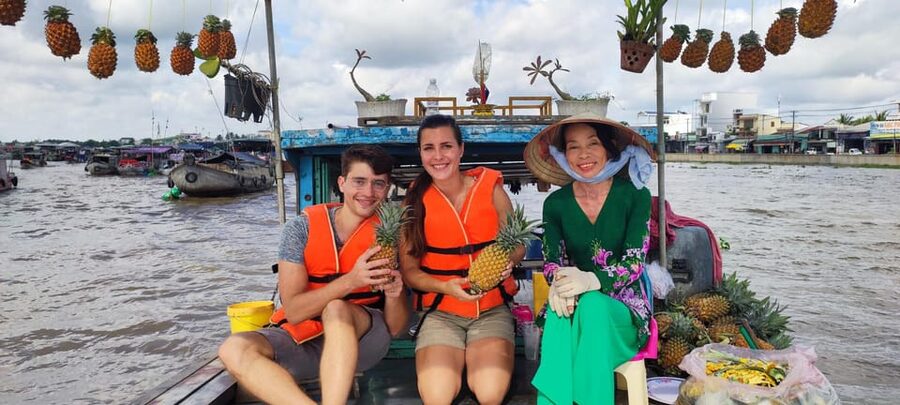
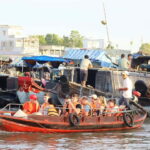
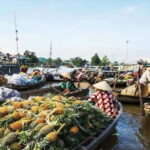
Cai Rang is described as the largest floating market in Vietnam, and that reputation shapes what you’ll experience. It’s not the place to expect whisper-quiet wandering. You’ll see boats selling agricultural products and people working in a way that’s fast and practical.
Here’s what makes it special for first-timers: Cai Rang lets you see the mechanics of the market. You’ll get traditional breakfast, and you’ll also have the chance to take in how boats move in the river lanes. It’s visually busy, but the busyness is the point—you’re watching commerce on water.
A smart way to enjoy Cai Rang is to treat it like a living food market, not a craft fair. Focus on what’s for sale and how vendors signal to buyers, then step back for views of the river and surrounding canals. The market is where you learn the “language” of floating trading—things like how boats position and how product gets displayed.
Possible consideration: because Cai Rang is larger, it can feel more crowded than Phong Dien later in the morning. If you’re easily overwhelmed by crowds, you’ll be glad the itinerary includes a calmer follow-up stop.
Phong Dien Floating Market: smaller, older, and easier to breathe
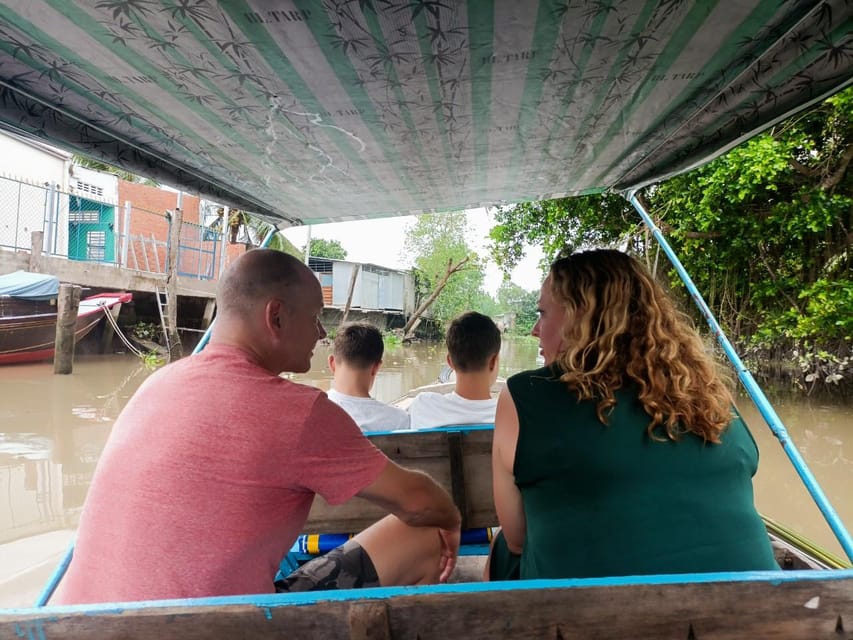
After Cai Rang, you’ll shift to Phong Dien Floating Market, described as a small, ancient floating market in Can Tho. If Cai Rang is your intro lesson to market life, Phong Dien is where you slow down.
This stop is often at its best early, with a chance to interact with friendly, peaceful local people. The tone is different here. Instead of the big-market buzz, you get a softer, community feel. You can take time looking at boats, listening to guides explain what you’re seeing, and enjoying the quiet movement of the river.
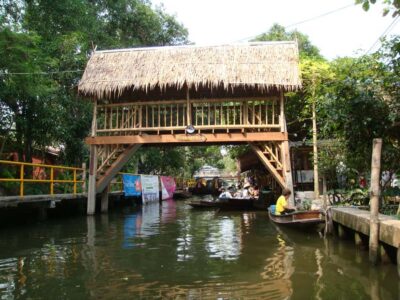
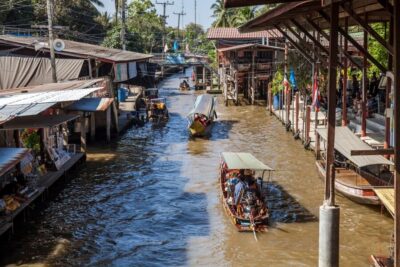
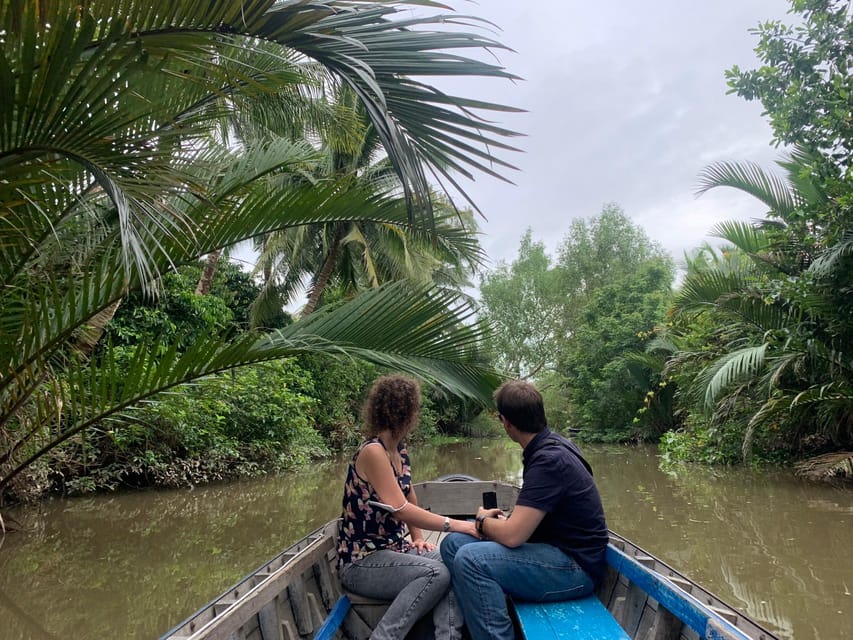
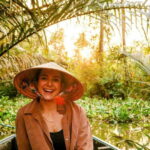
The other big reason this stop works is the surrounding scenery: you’ll explore beautiful canals that make Can Tho famous, including lush green tree cover and waterways lined with mangrove palms. This isn’t a generic “look at water” moment. Can Tho’s canal system is part of why people live this way, and seeing it from the boat helps the floating markets make sense.
If you only cared about one market, Cai Rang would likely win on fame. But for a more balanced morning—market energy plus canal calm—Phong Dien is the contrast that makes the trip feel complete.
Local boat ride + fresh fruit: seeing commerce from the water
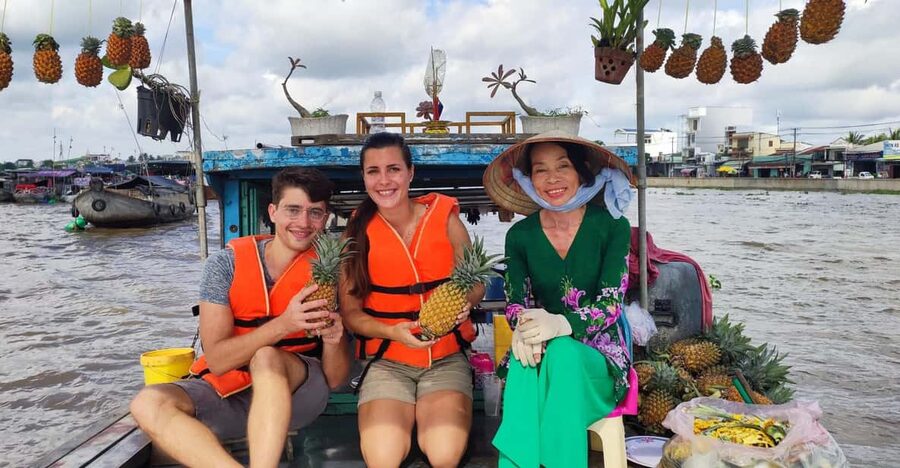
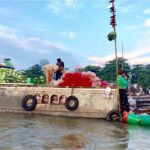
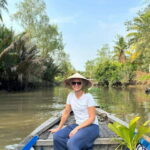
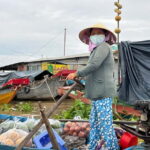
One of the itinerary highlights is a ride on a large local boat where locals sell agricultural products. This is a key difference between a floating market tour and a floating market “photo trip.” When you’re on the boat, you’re not just looking at boats—you’re moving with the traffic patterns and understanding how close everything happens.
On top of that, fresh fruits are included. That matters because fruit is not a side detail in the Mekong Delta; it’s a major part of what’s traded and what people eat. Seeing fruits sold right on the river ties the market visuals directly to your taste buds.
A practical tip: go slow with eating if you’re on a moving boat. Keep bites simple and don’t fight the motion. Also, if you’re sensitive to sun, this is a good time to use your hat and sunglasses because the river reflects light.

The pho and rice noodle factory: where your morning turns practical
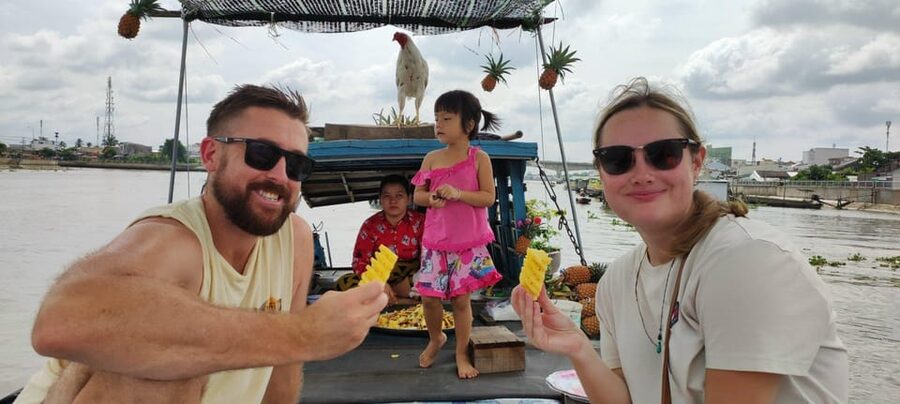
This tour also includes a stop at a local rice noodle and pho factory, described as old and guided by local experts. This is one of those add-ons that can feel optional—until you realize it changes how you interpret everything you’ve seen so far.
Why it matters: when you visit a Mekong market and fruit garden, food is the theme. The noodle and pho stop gives context to the ingredients and labor behind what ends up on Vietnamese tables. You get a hands-on explanation of how noodles are made, guided by locals who know the process well.
Even if you don’t care about culinary tourism, this stop is valuable because it makes the day feel anchored in real work. You’re not only riding and looking—you’re learning how one of Vietnam’s most popular comfort foods actually comes together.
Note: the itinerary doesn’t promise a full cooking class; it focuses on learning and observation. If you want hands-on cooking only, you might want to check what’s included beyond guided explanation. Still, a factory stop can be a satisfying change from markets.
Fruit garden sampling: star apple, dragon fruit, guava, and more
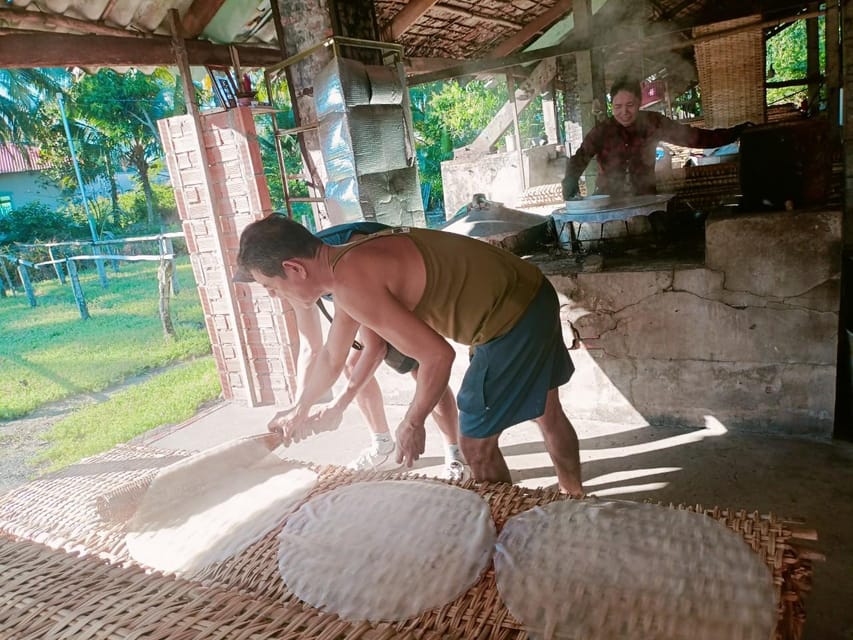
The tour includes tickets to a fruit garden, and you’ll have time for either a walk or a relaxed break while enjoying views and sampling seasonal fruits. The listed fruit options include star apple, dragon fruit, guava, oranges, and cacao.
This part is great for two reasons. First, it connects the market to the source—food doesn’t just appear on boats. Second, fruit tasting works well even if you’re not into long, structured museum-style stops. You can keep it light and sensory.
One practical consideration: fruit tasting during a hot morning can be a lot. Sip water, pace yourself, and don’t feel pressured to sample every single fruit if you’re full from breakfast and boat snack moments.
Timing, tide, and your 11:30 AM return to Can Tho
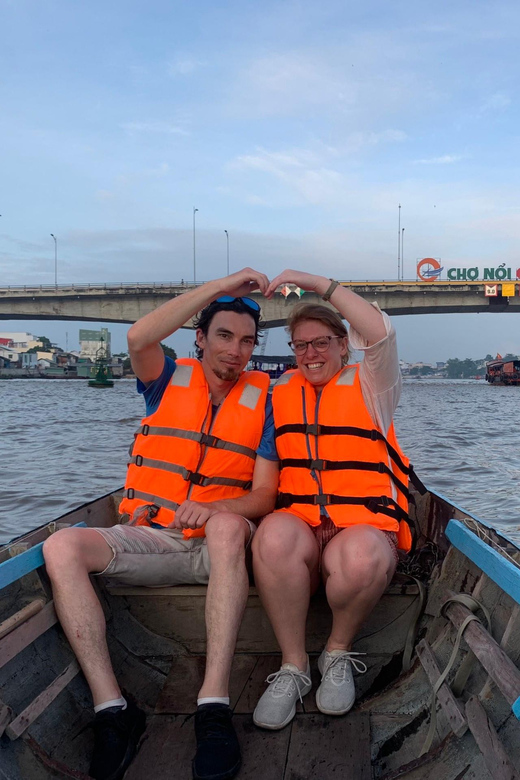
You’ll be dropped back around 11:30 AM, though the exact time can vary depending on tide on the Mekong River. That’s not just trivia—it’s why tours like this need experienced operators. River conditions affect travel time and sometimes the best timing for boat sections.
For your planning, treat the 11:30 AM return as a target, not a rigid appointment. If you’ve booked something right after, give yourself buffer time. The good news: this is still a half-day style tour, so you’ll likely have the rest of the day for lunch, nap, or casual exploring around Can Tho’s central areas.
Also, because there’s lots of early movement, plan your afternoon like you’re coming off a small expedition. Eat, cool down, and don’t schedule anything demanding right away.
Price and value: what you’re really paying for at $49

At $49 per person for about 6.5 hours, the value comes from the structure. You’re paying for:
- Hotel pickup and drop-off within central Can Tho
- A guided experience with an English-speaking guide
- Food included: a typical Vietnamese breakfast with drinks like coffee and coconut
- Tickets to the fruit garden
- Entry/visits to the markets and the factory stop
- A boat component plus fresh fruit during that segment
If you tried to DIY this, you’d spend time figuring out transport, timing, docks, and which combination of markets makes sense. The tour handles those moving pieces. The cost isn’t low in a straight exchange-rate way, but it feels fair because you’re getting both logistics and multiple “themes” of Mekong life—markets, canals, factory learning, and fruit.
A small note: if you’re starting from Ho Chi Minh City, there’s an extra charge for transfer by limousine/minivan. This itinerary is based in Can Tho, so plan accordingly.
Who should book this Mekong Delta day trip (and who might not)
This tour is best if you want a well-paced introduction to Can Tho’s river culture without the stress of planning boat routes. It also suits you if you care about food—breakfast on the water, fruit tasting, and learning noodle basics at a pho/rice noodle factory.
It may not be ideal if:
- You hate early mornings and don’t want a 4:20–5:00 AM start.
- You prefer slow, quiet sightseeing with minimal movement.
- You want lots of free time. This itinerary is structured, and the day flows from one main stop to the next.
If your ideal day is sunrise scenery plus a real look at how people trade and cook, this is a strong match.
Should you book? My practical take
Book it if you want the complete Can Tho morning package: Cai Rang and Phong Dien, time on canals, a boat ride with local products, and food stops that actually connect to Vietnamese daily life. The hotel pickup/drop-off is the biggest quality-of-life win, especially this early.
Don’t book if you’re only after one floating market and you hate waking up before dawn. In that case, you might prefer a shorter, more flexible option.
If you do book: wear comfortable shoes, bring sunglasses and sunscreen, and pack a sun hat. The river morning can be bright and the walking is real enough to make comfort worth it.
FAQ
Where do you get picked up and dropped off?
Pickup is from hotels in the center of Can Tho city or nearby areas within about 4 km from Ninh Kieu Ferry (Can Tho Market, Xom Chai Ferry). Drop-off is back at your hotel or another central location in Can Tho around 11:30 AM.
What time does the tour pickup start?
Pickup happens in the early morning, with the listed pickup window between 4:20 and 5:00 AM.
How long is the tour?
The duration is listed as about 6.5 hours.
Which floating markets are included?
The tour includes Cai Rang Floating Market and Phong Dien Floating Market.
Is breakfast included, and what is it like?
Yes. You’ll have a typical Vietnamese breakfast with drinks such as coffee and coconut during the trip.
Do you take a boat ride on the water?
Yes. The itinerary includes a local boat ride on the floating market, where locals sell agricultural products.
Is fresh fruit included?
Fresh fruits are included, and the tour also includes tickets to a fruit garden for seasonal tropical fruit sampling.
Do you visit a rice noodle and pho factory?
Yes. You’ll visit an old rice noodle and pho factory where you can learn how noodles are made with guidance from local experts.
What fruits will I get to sample?
The listed fruits include star apple, dragon fruit, guava, oranges, and cacao.
What should I bring for the early morning?
Bring comfortable shoes, sunglasses, a sun hat, sunscreen, and comfortable clothes.