REVIEW · CAN THO
Can Tho: A Real Mekong Tour, Floating Market, Cacao & Life’s
Book on GetYourGuide →Operated by VeMekong · Bookable on GetYourGuide
If you like the real Mekong, start early. This Cần Thơ boat trip is packed with Cai Rang floating market moments and quiet, local canal cruising before you hit cacao and fruit tastings. The one catch: it begins at 5:00 AM and you’ll walk and sit on the boat for several hours.
I love that this tour doesn’t feel like a grab-bag of tourist stops. You get breakfast on the river, fresh fruit, a stop for traditional rice noodle making (no souvenirs), and an organic cacao farm with cacao milk included. It’s also priced at about $25, which is strong value for a full morning of food plus multiple hands-on visits.
In This Review
- Key highlights to know before you go
- Five AM in Cần Thơ: Why the early start feels worth it
- Getting to CHỢ CỔ BẾN PHÀ and the traditional boat rhythm
- Cai Rang floating market: better views from a small-boat angle
- The handmade rice noodle visit that avoids the usual shop trap
- Secret small canals: slow cruising, lots of quiet watching
- Fruit garden tasting and the village walk that stays human-scale
- Organic cacao farm: Mr. Cacao, the process, and cacao milk
- Price and value: what you actually get for about $25
- Guides and the human factor on the river
- Who this tour fits best (and who should skip it)
- Should you book Can Tho: A Real Mekong Tour?
- FAQ
- FAQ
- What time does the tour start in Can Tho?
- Where is the meeting point?
- How long is the tour?
- Will the tour end exactly at 11:30 AM?
- Is breakfast included, and is it vegetarian-friendly?
- What food and drinks are included besides breakfast?
- Does the tour include the Cai Rang floating market?
- Are there souvenir shop stops?
- Is pickup included from hotels or homestays?
- Is the tour suitable for wheelchair users?
Key highlights to know before you go
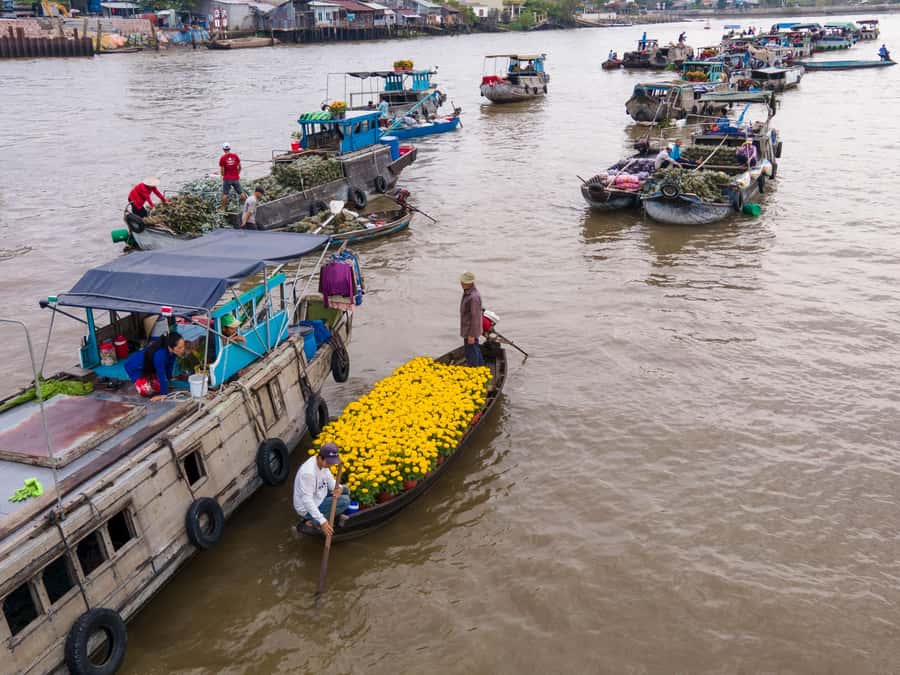
- Cai Rang floating market from a small sampan viewpoint, early enough for the morning rhythm
- River breakfast that works for vegetarians, plus fresh fruit and water along the way
- Non-touristy small canals cruised slowly, with time to actually look around
- A real rice noodle factory visit with no shop stop and colorful handmade noodles
- Fruit garden tasting tied to what grows locally, not just a photo stop
- Organic cacao farm with an explanation of how cacao becomes chocolate (and you get cacao milk)
Five AM in Cần Thơ: Why the early start feels worth it
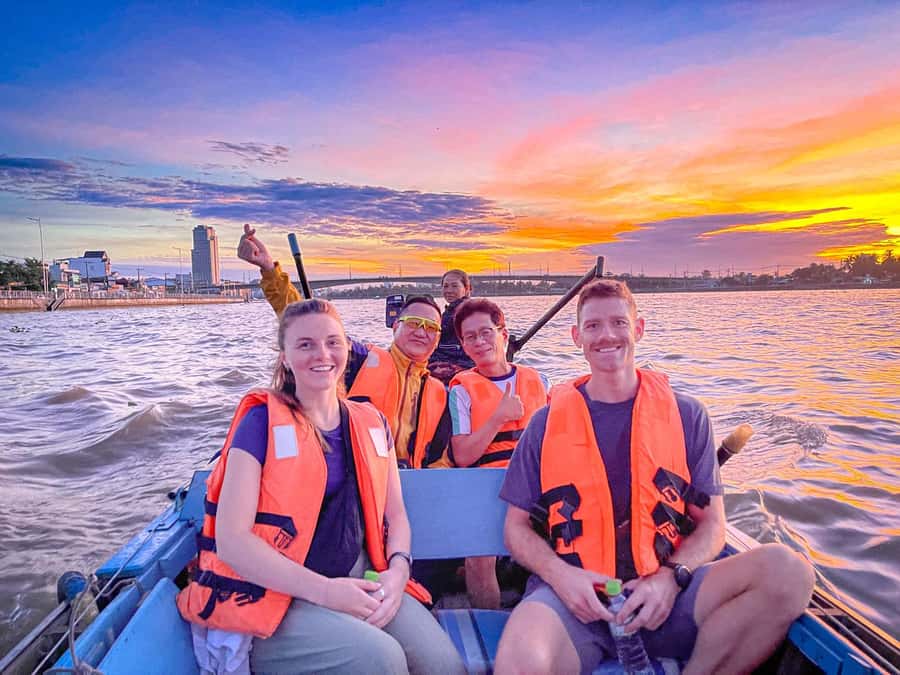
The day starts before the sun fully shows up. Pickup is at 5:00 AM at CHỢ CỔ BẾN PHÀ (156 Đường Hai Bà Trưng, Ninh Kiều, Cần Thơ). Expect to move quickly from the meeting point to the boat station, because the Mekong does not wait around for late risers.
Here’s the thing: that early timing isn’t just about beating crowds. On the way to Cai Rang, the tour lines up the sunrise window around 5:30 AM, when the river wakes up slowly. If you’ve never watched a Mekong morning unfold, this is one of the simplest ways to understand why people love southern Vietnam’s waterways.
If you’re the type who hates mornings, you’ll feel it. Wear a hat, use sunscreen, and bring comfy shoes. After that, you’re set for a morning that stays active without feeling frantic.
You can also read our reviews of more tours and experiences in Can Tho.

Getting to CHỢ CỔ BẾN PHÀ and the traditional boat rhythm
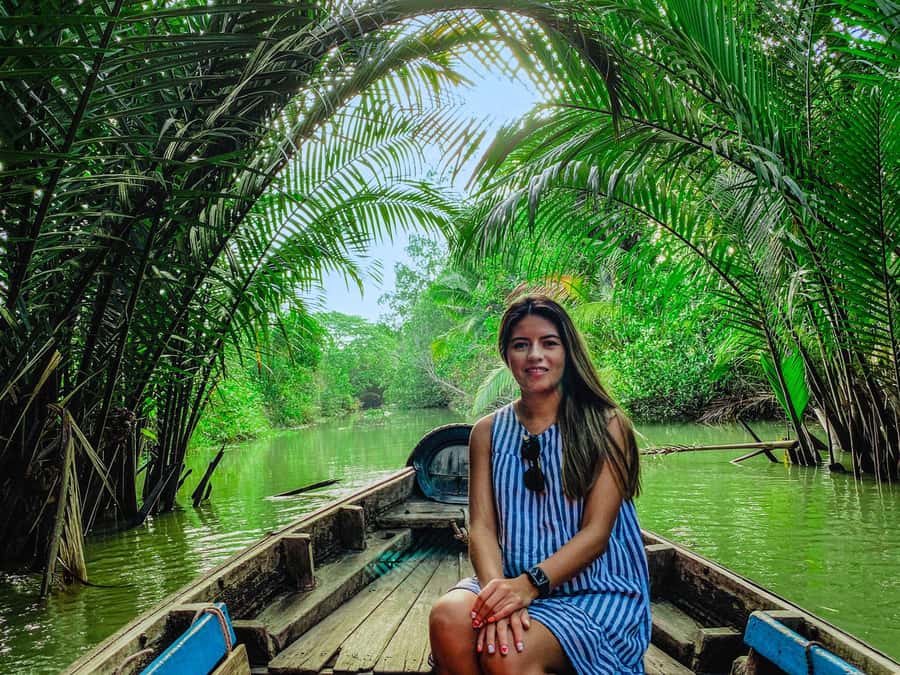
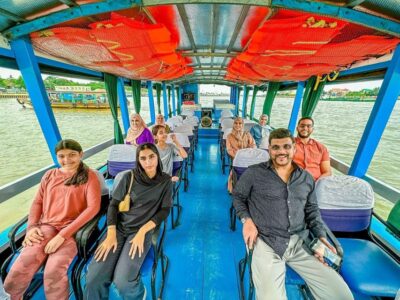
Meeting at CHỢ CỔ BẾN PHÀ keeps things straightforward. You check in with your name and booking reference, then you’ll walk over to the embark area. This matters because the tour uses an authentic traditional small boat (a sampan) rather than only larger cruise craft. That smaller scale is what makes the experience feel closer to what locals are doing.
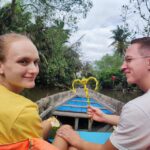
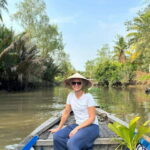
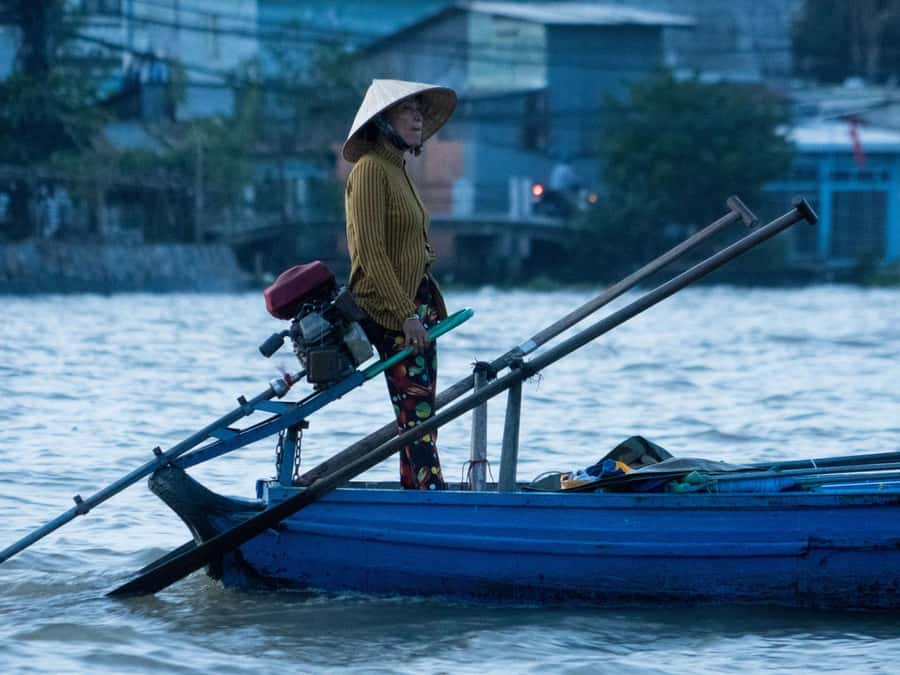
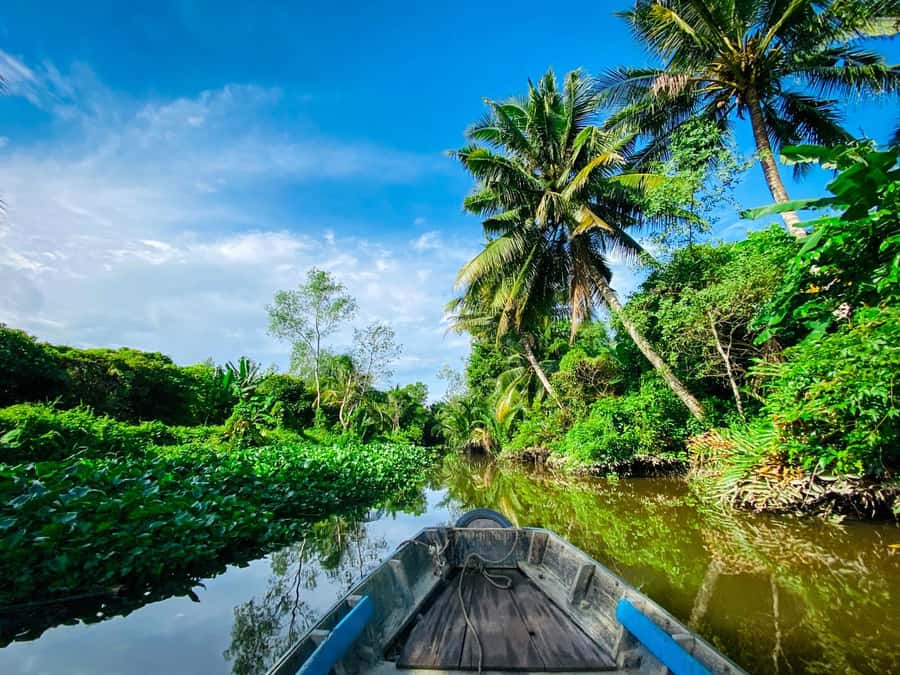
Once you’re on the water, the pace is calmer than you might expect. The trip includes a portion where your sampan slows down and the long-tail engine eases back, giving you time to watch the river edges: nipa palms, water coconuts, freshwater mangroves, and all those green canal corridors that don’t show up on quick “look and go” trips.
One more practical note: the route can end a bit earlier or later depending on tide. So don’t plan a tight schedule right after 11:30 AM. The tour is designed to wrap around 11:30, but nature sets the final timing.
Cai Rang floating market: better views from a small-boat angle
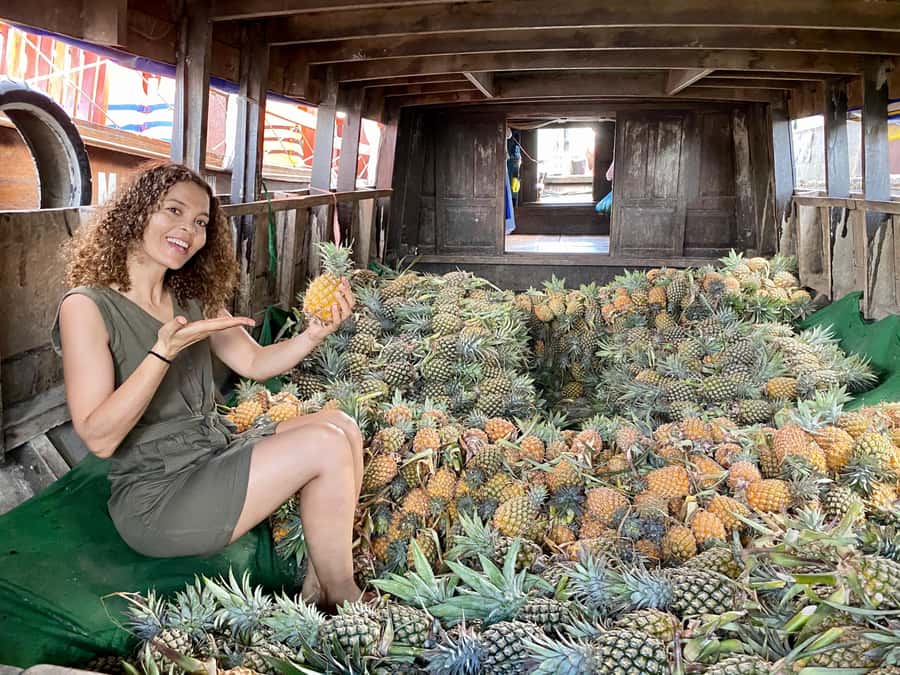
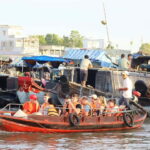
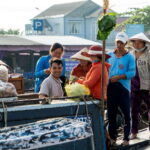
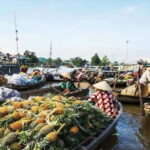
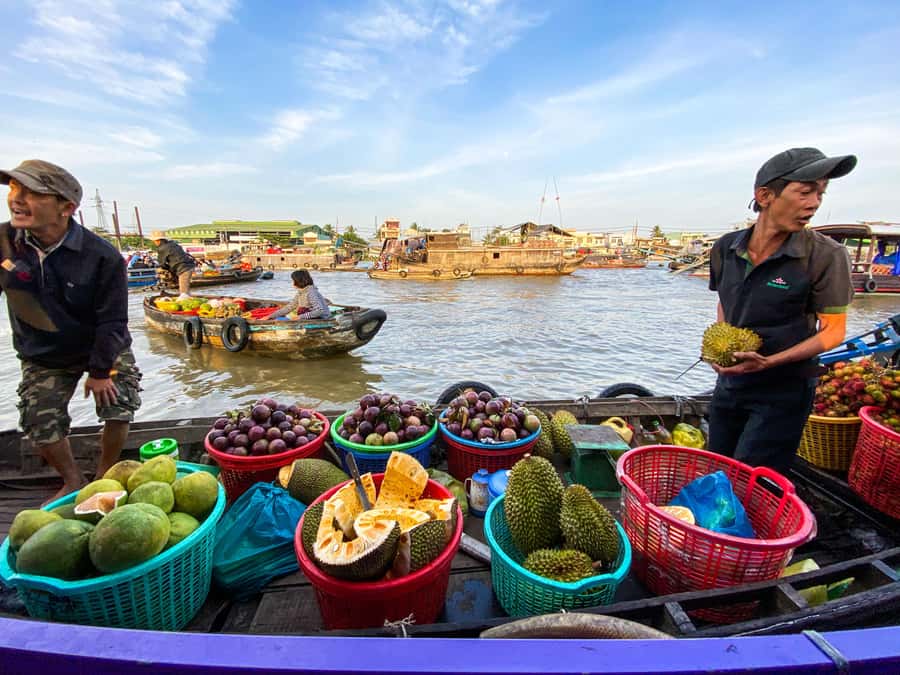
Cai Rang floating market is the headline stop in many Can Thơ itineraries, and this one approaches it in a smart way: you get there early, on a small boat, and with a guide who can explain what you’re seeing.
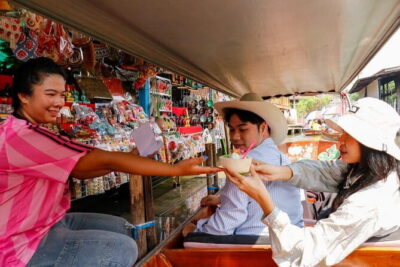
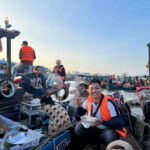
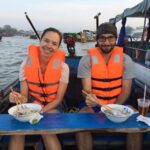
When you arrive, your guide answers questions about how the floating market works. You also get the best part for many people: breakfast on the river. The tour includes the traditional noodle soup breakfast, and it’s arranged to be vege-friendly. Some guides are known for making the breakfast feel like part of the experience, not just food handed out on a timer.
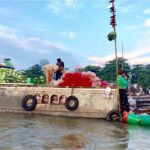
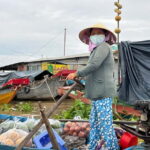
A floating market can feel chaotic if you just stare at the boats. The value here is context. You learn what’s happening in the flow of morning commerce, and you get time to observe the market rhythm rather than rushing in for one quick snapshot.
Also, you’ll be interacting with more of the river’s daily life. Part of the experience includes getting onto a local boat and seeing real routines from the water, plus time to enjoy a fresh pineapple on the river. It’s a small detail, but pineapple on a Mekong morning hits different.
The handmade rice noodle visit that avoids the usual shop trap
Most Mekong tours include a “factory” stop that is basically a showroom with a souvenir corner. This one is different because the rice noodle house visit is described as local and non-commercial: traditional handmade noodles with no shop stops and no souvenirs.
You’ll see rice noodles made the traditional way at a local family-run spot (9-Cua family). The noodles are described as colorful, and the whole point is watching process and technique rather than buying something you didn’t know you wanted.
This kind of stop is valuable because it’s practical knowledge. Rice noodle making isn’t just a craft. In the Mekong Delta, it’s part of everyday food culture, and seeing it explains why these dishes are everywhere.
The drawback is also simple: if you’re expecting a long, theatrical demonstration, the visit may feel like a real local workshop stop rather than a performance. But if you care about how food actually happens, this is one of the more meaningful parts of the morning.
Secret small canals: slow cruising, lots of quiet watching
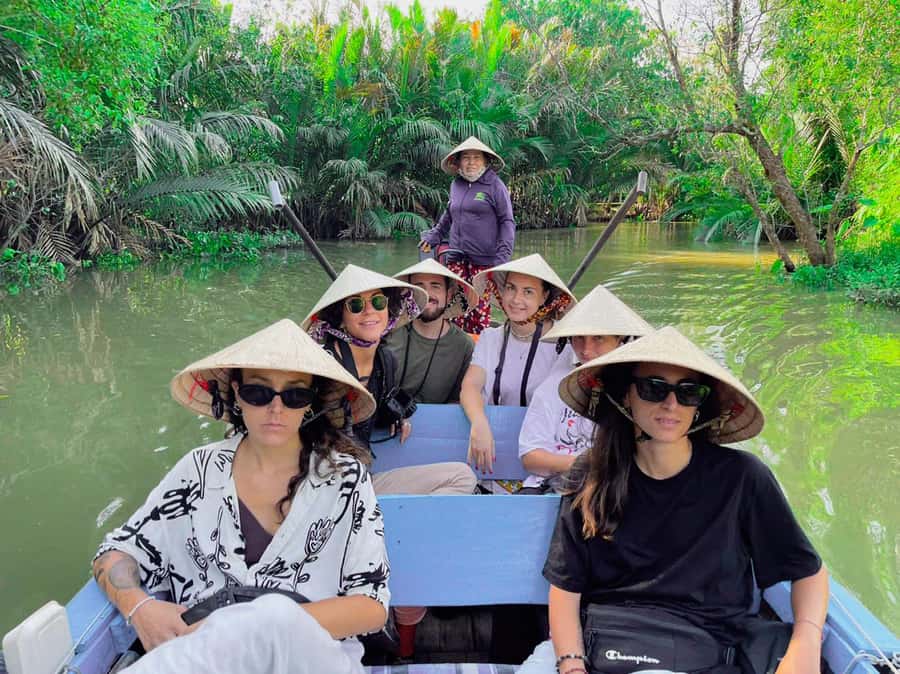
After the market, you shift gears. The tour includes a peaceful exploration of small canals in the Can Thơ system, listed as options like Phong Điền or Cai Rang secret canal routes. The key promise here is non-touristy scenery, and the cruising style supports that: your boat slows down so you can look.
This is where the tour earns its place as more than a checklist. On bigger boats, it’s easy to feel like you’re stuck behind glass. Here, the emphasis is on nature and river edges: green canal walls, palms, water coconut, mangrove areas, and the general sense of life happening at water level.
I also like that this segment is framed as time for nature and observation, not a sales stop. You’re not being herded through a shop. You’re just moving through canal space at an easy pace.
If you’re prone to motion sickness, consider taking precautions since you’re on water for several hours. But the tour’s slower cruising portions should help if the ride isn’t too choppy.
Fruit garden tasting and the village walk that stays human-scale
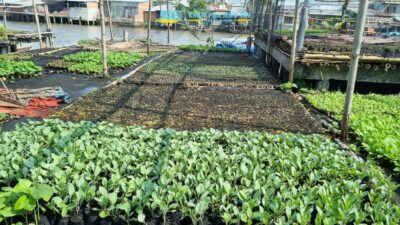
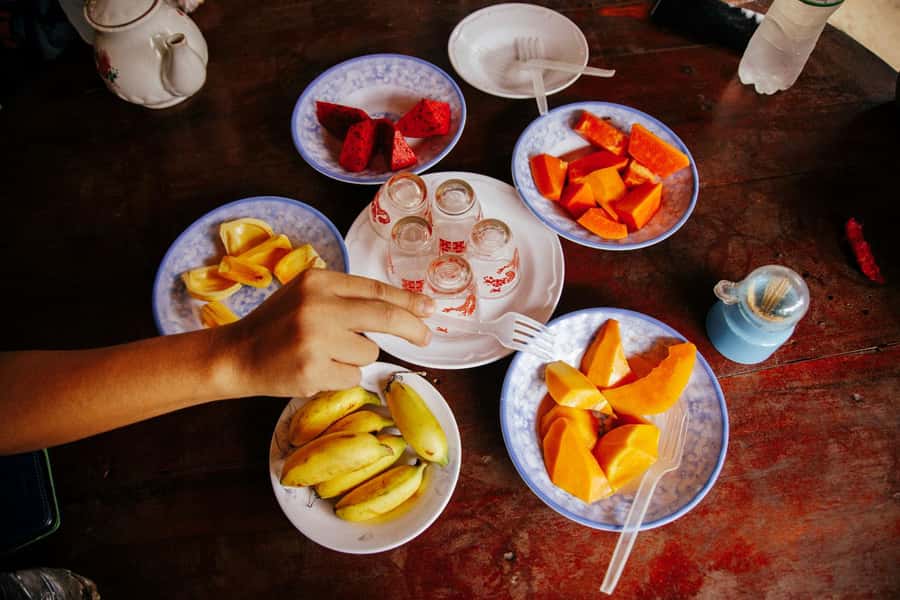
Once you leave the boat cruising, you get two “land” experiences: a tropical fruit garden and a village trek. The tour describes the fruit garden as educational and fun, with walking around to learn about native trees, leaves, flowers, and fruits. The best part is that you taste seasonal tropical fruits as part of the visit.
This matters because fruit tastings can be hit-or-miss when they’re rushed. Here, the garden time is positioned as learning plus tasting, not just handing out pieces. If you pay attention, you start to connect what grows in the Mekong Delta to what shows up on menus later.
Then comes the village walk. It’s about a 15-minute trek, and it’s specifically noted as not being a cycling tour. You’ll walk through untouched villages, tropical orchards, small canals, and countryside life—basically a slower look at everyday surroundings.
One practical note: this part is a walking component. Comfortable shoes matter here, and you’ll feel it if you’re coming from a full travel day.
Organic cacao farm: Mr. Cacao, the process, and cacao milk
The late-morning finale is a cacao farm, and the tour gives it some real substance. You visit an organic cacao farm built in the 1960s and still maintained with traditional care.
The guide explains cacao characteristics and origins, plus how cacao connects to products like chocolate, wine, and cosmetics. The experience is framed as a meeting with Mr. Cacao—so you’ll hear the story and the practical uses behind the crop.
Then you taste cacao milk, which is included. That’s the kind of food-and-drink moment that makes the farm stop feel complete. You’re not just hearing information; you’re tasting one of the local cacao products in a simple way.
One consideration: if you’re only interested in scenery and not food lessons, cacao farms can feel like “another stop.” But if you like learning where ingredients come from, this lands well. It also pairs nicely with the fruit garden visit earlier, because you go from tropical fruits to a crop that shapes an entire flavor world.
Price and value: what you actually get for about $25
At around $25 per person, this tour is good value because you’re not paying extra for the food and multiple entry experiences. Included items are clearly spelled out: sampan and boat driver, breakfast (vege-friendly), fresh fruit, water (500 ml per person), entrance fees, and tastings like cacao milk.
You’re also getting nine experiences across different settings: river market, rice noodle making, small canal cruising, fruit garden, village walk, and the cacao farm. That mix is why the price works for many people. You’re paying for a morning’s worth of transportation and guided stops, not just a single boat ride.
There’s still a “value trade,” though. You’re committing to an early start and several hours of moving between sights. If you’d rather sleep in and take a leisurely pace, you’ll feel the schedule. If you’re happy with a structured morning and want a lot of Mekong Delta in one shot, it’s a solid deal.
Guides and the human factor on the river
The tour is built around an English-speaking guide, and the reviews highlight that many guides make the day feel personal and well-run. Names that show up include Hieu, Duy, Lam, Chris, Thomas, Lâm, Minh, and Trieu Minh. You might not get the same guide as the next group, but the pattern is consistent: the guide answers questions, connects dots about Mekong life, and helps the day feel organized.
That matters because Mekong Delta tours can turn confusing fast if you don’t know what you’re looking at. The guide role here is not just translation. It’s turning river scenes into meaning—what markets are for, why canals matter, and how food traditions connect to daily life.
Also, you’ll hear small moments that make the day warmer: guides sharing stories, encouraging questions, and keeping an eye on pacing so you’re not sprinting between photo points.
Who this tour fits best (and who should skip it)
This tour fits best if you:
- Like early mornings when the payoff is a calm sunrise river scene
- Want a mix of river sights and food/agriculture stops
- Prefer small-boat viewing and quieter canal routes
- Are okay with short walking segments and spending time on the water
It’s not a match if you:
- Have back problems or mobility limits (the tour notes it’s not suitable)
- Use a wheelchair (also not suitable)
- Are pregnant (not suitable)
- Want a hotel door-to-door pickup. The tour starts from the city center meeting point at CHỢ CỔ BẾN PHÀ, and hotel pickup isn’t provided.
Should you book Can Tho: A Real Mekong Tour?
I think you should book it if your ideal Mekong day includes more than just a floating market. The combination of Cai Rang, secret small canals, rice noodle making without the souvenir trap, a fruit garden with tasting, and an organic cacao farm with cacao milk makes the morning feel full without feeling random.
Skip it if you can’t handle 5:00 AM starts or you don’t want any walking. This is an active morning tour, and tide timing can shift the end slightly.
If you’re balancing time in Cần Thơ and want the biggest slice of the Mekong Delta in one morning—this one is a strong choice.
FAQ
FAQ
What time does the tour start in Can Tho?
Pickup is at 5:00 AM at the meeting point in Can Tho city center, CHỢ CỔ BẾN PHÀ.
Where is the meeting point?
The meeting point is CHỢ CỔ BẾN PHÀ at 156 Đường Hai Bà Trưng, Ninh Kiều, Cần Thơ, Vietnam.
How long is the tour?
The duration is about 6.5 hours. It typically ends back at the same meeting point around 11:30 AM.
Will the tour end exactly at 11:30 AM?
It may end earlier or later depending on tide conditions, but the plan is to finish around 11:30 AM.
Is breakfast included, and is it vegetarian-friendly?
Yes. Breakfast is included and it is described as vege-friendly, served on the river.
What food and drinks are included besides breakfast?
You’ll also get fresh fruit and water (500 ml per person), plus a glass of cacao milk at the organic cacao farm.
Does the tour include the Cai Rang floating market?
Yes. You’ll visit Cai Rang floating market by small boat and enjoy breakfast on the river during the experience.
Are there souvenir shop stops?
The rice noodle factory visit is described as no shops and no souvenirs, and the tour emphasizes local village/canals rather than shopping stops.
Is pickup included from hotels or homestays?
No. The tour notes there is no pickup at the hotel or homestay. You should reach the meeting point.
Is the tour suitable for wheelchair users?
No. The tour is not suitable for wheelchair users, and it also notes it is not suitable for people with back problems or pregnant women.