REVIEW · HO CHI MINH CITY
Ho Chi Minh City: 2-Day Mekong Delta & Floating Market Tour
Book on GetYourGuide →Operated by Vietnam Travel Group VNTG · Bookable on GetYourGuide
Waterways make Vietnam click fast. This 2-day, 1-night guided run out of Ho Chi Minh City is built around the Mekong Delta’s water life and the Cai Rang floating market. I love how the day mixes boat time with land stops, so you understand the rhythm of the river instead of just taking pictures. I also like the hands-on food moments, like lunch on an orchard garden and seeing how coconut candy gets made along the way.
The main thing to know is that the itinerary moves on schedule, and some stops can feel pretty tour-focused. In Cai Rang, you may notice more tourist boats than locals, which can make it less raw than you might imagine. If you want slow, mostly local wandering, plan your expectations accordingly.
In This Review
- Key highlights to know before you go
- Day 1 from Ho Chi Minh City: rice fields, pagoda, and river life
- Tortoise Islet lunch, honey tea, and a coconut-tree cruise into Ben Tre
- Orchard walks and village views: photos, fruit, and that laid-back pace
- Day 2 in Can Tho: cai rang floating market in the morning light
- Rice vermicelli making and the return to Ho Chi Minh City
- What the tour includes (and what that means for value)
- Pacing reality check: where it feels authentic and where it feels touristy
- Who this Mekong Delta tour is best for
- How to prepare: boats, sun, bugs, and comfort
- Should you book the Ho Chi Minh City 2-Day Mekong Delta & Floating Market tour?
- FAQ
- What is the duration of the Ho Chi Minh City 2-Day Mekong Delta & Floating Market tour?
- Is hotel pickup and drop-off included?
- What’s included in the tour price?
- Is lunch vegetarian-friendly?
- What should I bring for the tour?
- Who might not be able to join this tour?
Key highlights to know before you go
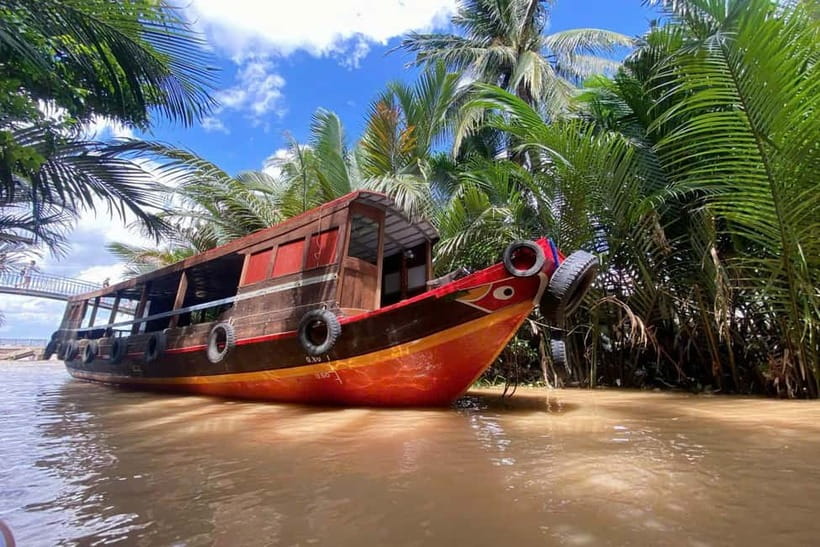
- Cai Rang floating market by morning boat: see cargo vessels and smaller sampans sharing the same water lanes
- Vinh Trang Pagoda visit: a major Mekong Delta landmark with a distinct look and setting
- Ben Tre fruit-and-coconut theme: orchard walks, honey tea, and coconut candy at a family stop
- Tortoise Islet lunch in an orchard garden: a calm break before more cruising through coconut-lined water
- Monkey bridge + vermicelli making: small village-style activities that add variety to the boat-heavy day
Day 1 from Ho Chi Minh City: rice fields, pagoda, and river life
Your day starts with a hotel pickup at 7:30 am, and yes, you’ll be up earlier than your vacation brain wants. Before you reach the Mekong Delta area, the car takes you past green rice fields and along the Vam Co Dong River, with a chance for photos and a quick reset from city traffic.
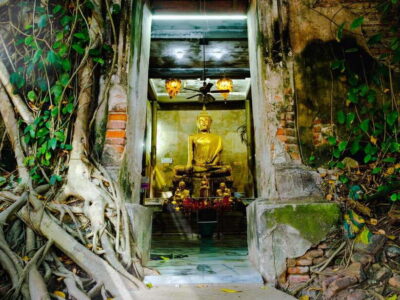
Next comes Vinh Trang Pagoda, described as the biggest pagoda in the Mekong Delta. This stop works because it gives context. When you later see stilt houses and floating commerce, the area’s religious and cultural side doesn’t feel like an add-on; it feels like part of the same river community.
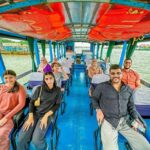
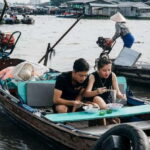
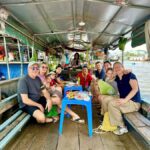
After the pagoda, the tour shifts gears to a leisurely boat ride along the river. This is where you start noticing details you’d miss if you only stayed on land—how homes and daily work hug the water, how fruit plantations line the banks, and how fishing villages cluster near accessible river edges. The boat format makes the air feel lighter too; it’s a real break from constant road time.
You can also read our reviews of more tours and experiences in Ho Chi Minh City.
Tortoise Islet lunch, honey tea, and a coconut-tree cruise into Ben Tre
One of the most relaxing pieces of Day 1 is the stop at Tortoise Islet for lunch. The meal is served in an orchard garden, and it’s the kind of setting that makes the Mekong feel less like a checklist and more like a place people actually live around. You’re also in the right mood for lunch because you’ve already had the boat ride and the scenery has been slowly changing.
From there, you cruise toward Ben Tre through water channels lined with coconut trees. Even if you’ve seen photos of the Mekong before, this part often surprises people because the motion feels calmer than the road, and the water vegetation becomes a “wall” that frames everything.
In Ben Tre, you visit a traditional house where seasonal fruit and honey tea with lemon come with a local performance of Southern Vietnamese folk music. I like this stop because it’s not just eating; it’s a short culture moment with local performers, and the pacing tends to feel slower than the next few activity blocks.
Then you get a family-business visit focused on how coconut candy gets made. This is the kind of stop that pays off when you enjoy small process details. You’ll come away with a sense of how common ingredients in the region get turned into the snacks and gifts people ship out from the delta.
Orchard walks and village views: photos, fruit, and that laid-back pace
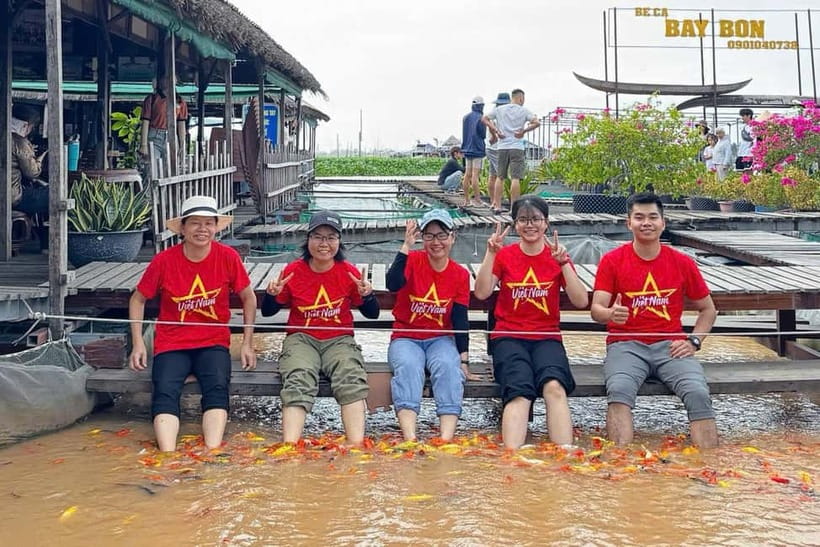
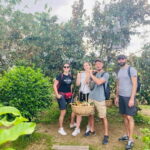
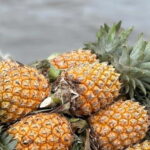
After the coconut candy visit, the tour includes a walk through the fruit plantation and villages. This is one of the best photo windows of the whole experience because you’re not stuck on a boat—your feet are on the ground, and you can see how the area blends agriculture, homes, and river access.
You’ll also get a better feel for how life here works with seasons. The tour is geared toward showing you what people do when fruit is in season and when river life changes with the day. You won’t need to guess what’s going on; the flow of activities is designed to connect the dots between what you saw on the water and what you’re seeing on land.
By the end of Day 1, you arrive in Can Tho and check into a 3-star hotel on a shared-room basis for one night. You get free time in the evening, and I’d use it to do something low-pressure like heading to Ninh Kieu Wharf or Can Tho Market for a look around. If you just want a simple dinner, it’s totally fine too—Day 2 starts early.
Day 2 in Can Tho: cai rang floating market in the morning light
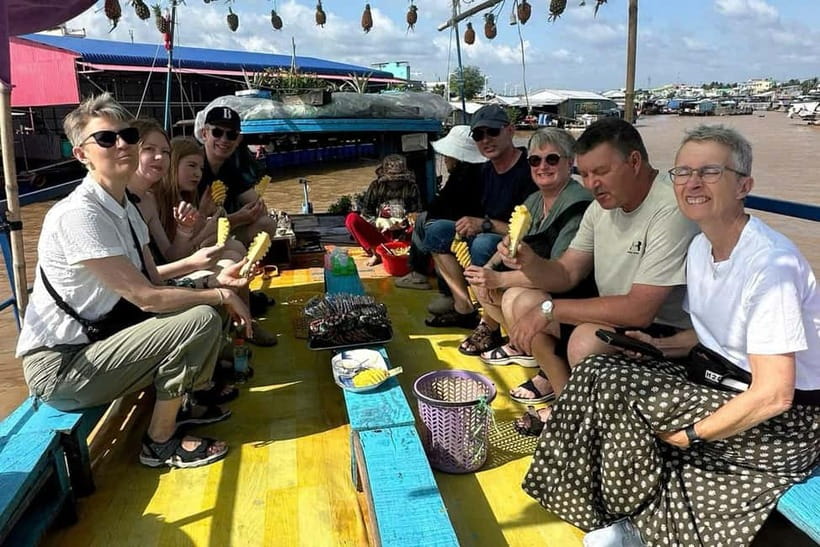
Day 2 pickup happens at 7:00 am after breakfast, and you’re right back on boats—this time heading to Cai Rang Floating Market. The schedule choice matters. A morning floating market gives you a stronger chance to see trading in motion, not just a later-day version that’s slowed down.
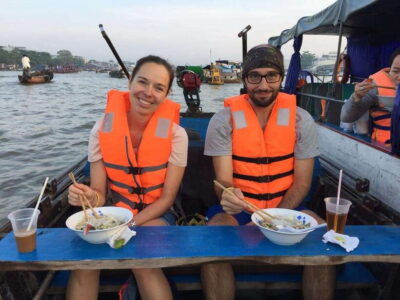
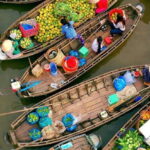
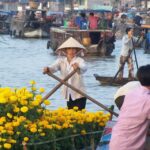
When you reach the market area, you get a close look at water commerce, from larger cargo vessels to smaller sampans weaving through the same waterways. This is the core experience. If you like observing how people solve real problems—transport, buying, selling, moving goods—this part will click quickly.
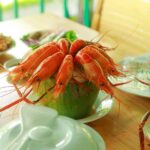
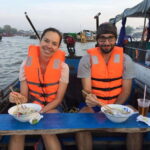
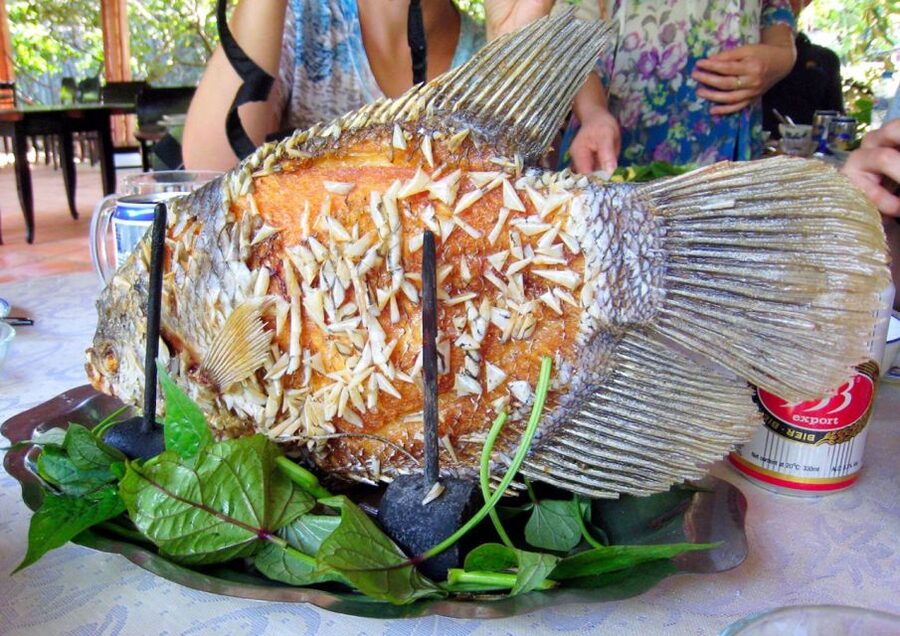
You also get time to try local unique food right there in the floating market area. The tour includes food along the way, but keep in mind only what’s explicitly listed as included is guaranteed. For anything extra, plan on paying separately.
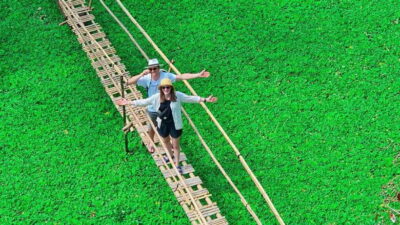
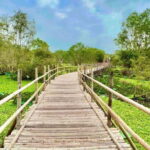
After the market, the itinerary slows just enough to change the feel of the day. You’ll wander around the village, visit an orchard garden, and have the chance to cross a Monkey bridge made from one bamboo tree. I appreciate this activity because it gives your body a different kind of movement after hours of boat time—though you’ll want comfortable shoes, since you’ll be switching from “river rhythm” to “careful footing.”
Rice vermicelli making and the return to Ho Chi Minh City
Another hands-on moment on Day 2 is the chance to see how rice vermicelli noodle production works. The tour doesn’t describe a long classroom style session; it’s more about watching the process and getting the idea of how the delta’s ingredients turn into everyday staples.
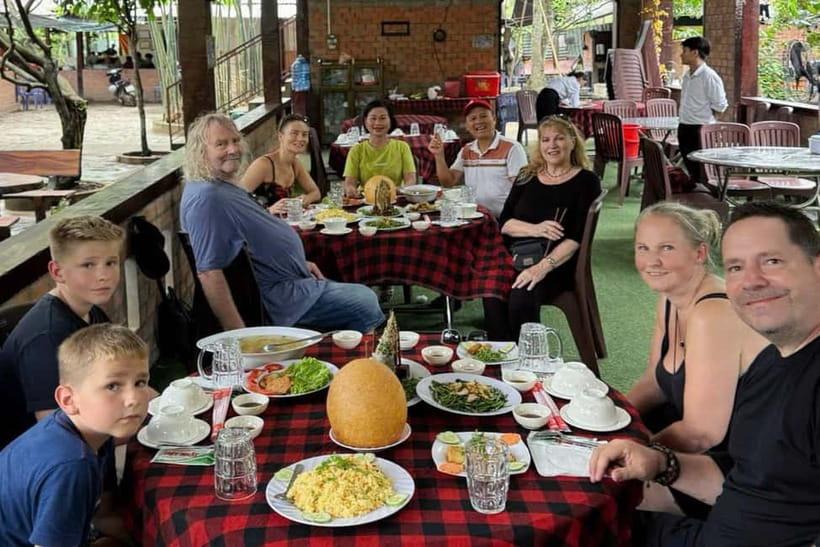
Then comes a lunch stop before heading back. Since only one Vietnamese lunch is listed as included, treat lunch costs on Day 2 as extra unless your guide confirms otherwise at the time.
The return journey wraps up with arrival back in Ho Chi Minh City at around 5:00 pm. It’s a full two days, so by late afternoon you’ll likely feel the “boat + road + activities” mix in your legs. Still, the payoff is that you see the Mekong Delta in more than one way: river transport, floating trade, orchard life, and a couple of classic regional food processes.

What the tour includes (and what that means for value)
At $98 per person for a 2-day, 1-night tour, the value mainly comes from what you’re not coordinating yourself. You get air-conditioned transportation, hotel pickup and drop-off, a live Vietnamese and English-speaking guide, all entry tickets, and key comfort items like cool towels and two bottles of water per person.
The lodging is a shared room in a 3-star hotel for one night. That’s a real cost component you’d otherwise pay separately if you DIY the route. You also get pickup + drop-off, which matters a lot here because the tour is built around early departures.
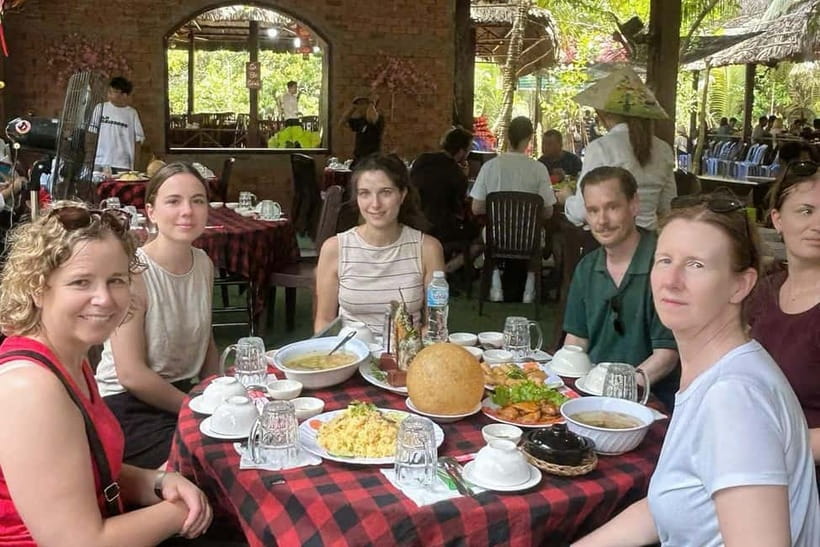
Food-wise, you get Vietnamese lunch included, plus the floating market stop offers chances to taste local foods. But additional food and drinks are not included, so keep some cash or card ready for snacks and beverages. There’s also a vegetarian option available for lunch, which is great if you plan ahead with your needs.
Guides and pacing can make or break a tour like this, and you’ll want to read that between the lines: the operation is structured, and that structure can feel a bit “pushed through” if you like lingering. Still, the upside is you don’t have to hunt down timetables or translate your way through multiple transport changes.
If weather turns messy, the tour goes rain or shine. That’s not always fun, but it’s predictable.
Pacing reality check: where it feels authentic and where it feels touristy
This is the balanced part. The Mekong Delta experience is real—water life is the point, boats are the transport, and fruit and coconut production are everyday reality here. That part is solid.
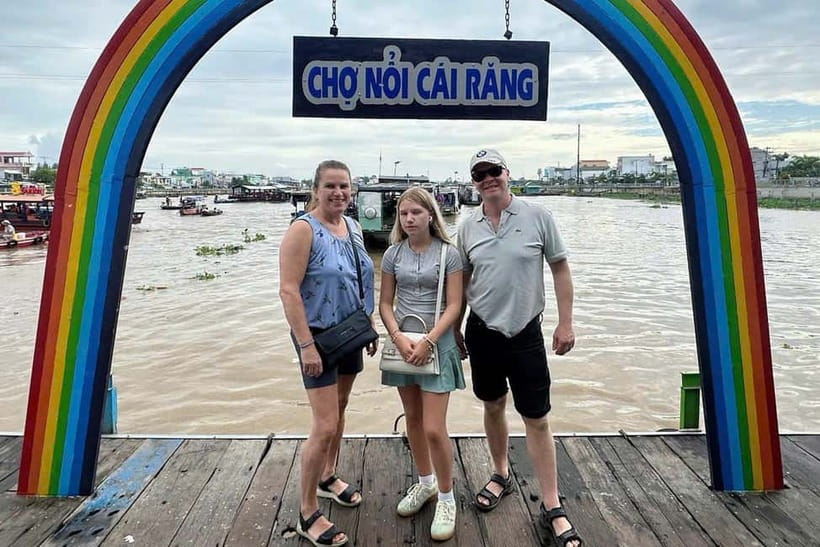
Where the experience can shift is in how often you repeat the same kind of “sight rhythm.” The itinerary includes several major sights and a couple of set activities, which can make it feel like you’re moving through highlights rather than living a full day with locals. In Cai Rang, the floating market scene can lean more toward tour boats than local boats, which changes the feel even if the location is still the star.
My advice: go with curiosity, not expectations that it will look like a private documentary. If you approach it as a guided, efficient introduction—with plenty of photo opportunities and a few hands-on stops—you’ll likely feel the “worth it” balance.
Who this Mekong Delta tour is best for
This tour fits best if you want a first serious look at the delta without building a custom route. I’d recommend it for:
- First-timers who want the Mekong Delta, floating markets, and fruit/coconut stops in two days
- Couples and solo travelers who like having transportation and tickets handled
- People who enjoy food-focused sightseeing, especially coconut candy and vermicelli making
It’s not ideal if you have mobility limits. It’s listed as not suitable for pregnant women, people with back problems, people with mobility impairments, wheelchair users, and anyone who can’t manage the physical parts of transfers and walking. Also note the tour doesn’t allow pets, smoking, or luggage/large bags—so travel light.
One more practical note: your pickup has a timing rule. The driver waits no longer than 5 minutes after the scheduled pickup time, and you’re asked to wait in the lobby 10 minutes before. Set your phone to alert mode so your guide can reach you.
How to prepare: boats, sun, bugs, and comfort
Even in a “guided highlights” tour, comfort is what determines whether you enjoy the day. Bring:
- Comfortable shoes (you’ll be walking, including the Monkey bridge segment)
- Sunscreen
- Insect repellent
- Comfortable clothes that handle heat and possible rain
- Passport or ID card
If you want fewer surprises, pack a small plan for moisture and sun: a light layer for rain, and breathable clothing for the warmer parts. Since the tour runs rain or shine, you’ll be happy you thought about this.
Should you book the Ho Chi Minh City 2-Day Mekong Delta & Floating Market tour?
I’d book this tour if your goal is a structured taste of the Mekong Delta: pagoda stop, river boat time, Ben Tre orchards, and the big-name Cai Rang Floating Market. The overnight hotel, transportation, and included sights mean you get maximum coverage without the stress of arranging everything.
I’d skip it—or pick a different style of tour—if you’re chasing a slow, mostly local floating-market experience with long, unhurried wandering. The route can feel scheduled, and the floating market atmosphere may not be as locally grounded as you might want.
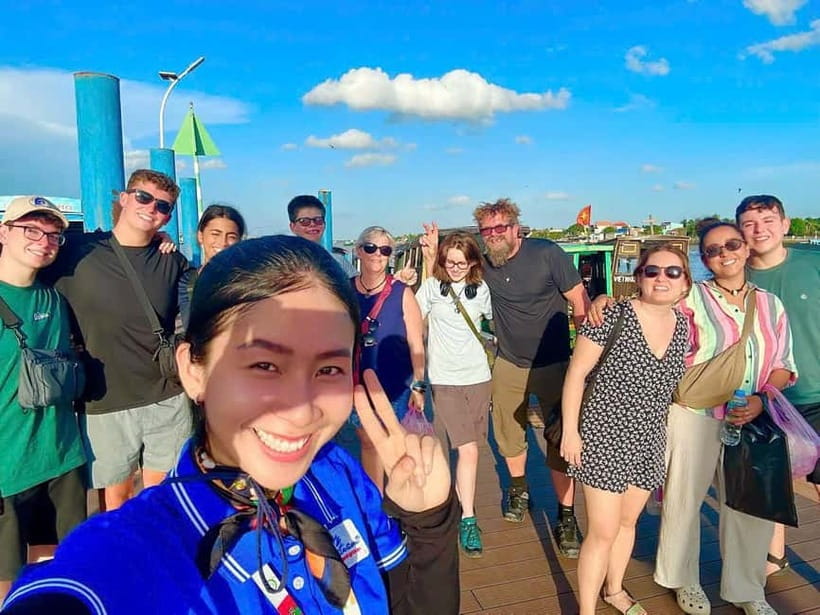
One last thing: guides matter. Many people speak highly of guides who keep things organized and friendly (names like Daniel come up), and that’s exactly what you want on a two-day, boat-and-road mix. If you book, do it with the right mindset: this is an efficient, high-variety introduction to how the Mekong Delta works.
FAQ
What is the duration of the Ho Chi Minh City 2-Day Mekong Delta & Floating Market tour?
The tour lasts 2 days with 1 night included. Starting times vary, so you should check availability for the current pickup schedule.
Is hotel pickup and drop-off included?
Yes. Hotel pickup and drop-off in Ho Chi Minh City are included. You’ll be asked to wait in the hotel lobby 10 minutes before the scheduled pickup time.
What’s included in the tour price?
Included items are 1-night accommodation in a shared room (3-star hotel), air-conditioned transportation, Vietnamese lunch, cool towels, 2 bottles of water per person, and all entry tickets.
Is lunch vegetarian-friendly?
Yes. A vegetarian option is available for lunch.
What should I bring for the tour?
Bring passport or ID card, comfortable shoes, sunscreen, comfortable clothes, and insect repellent.
Who might not be able to join this tour?
The tour is listed as not suitable for pregnant women, people with back problems, people with mobility impairments, and wheelchair users. It also doesn’t allow pets and doesn’t permit large bags or luggage.