REVIEW · HO CHI MINH CITY
4 Day’s Mekong Delta With Tra Su Forest Exit Phnom Penh
Book on GetYourGuide →Operated by Dragon Sea Travel & Du Lịch Rồng Biển · Bookable on GetYourGuide
A Mekong trip that ends in Cambodia is special. You get river life, floating markets, and then a boat through the flooded Tra Su cajuput forest, before you’re speedboating into Phnom Penh. The route also strings together small hands-on stops like honey tea, canal rowing, and a Cham cultural visit, so it feels more than just scenic sightseeing.
Two parts I like most are Cai Rang Floating Market in the morning light and the switch from Vietnam’s river towns to Cambodia’s arrival momentum on Day 4. I also like how the schedule mixes big sights with smaller moments: coconut candy sampling, pineapple tasting on a boat, and a day that includes both motorboats and hand-rowed canals.
One drawback to plan for: this tour runs on a tight clock. If you prefer slow wandering and time to ask lots of questions, you may feel the pressure, especially on travel days and market visits.
5 things you’ll remember from this Mekong Delta to Phnom Penh route
- Cai Rang Floating Market: the classic Mekong show in a practical early-morning slot
- Hand-rowed sampan canals in coconut country: calmer than the main river and great for photos
- Cham villages and Islamic-influenced architecture: a cultural stop that adds real variety
- Tra Su cajuput forest: flooded-forest boat rides with lots of birds overhead
- Speedboat to Phnom Penh: the trip “snaps” from Vietnam river slow to Cambodia transfer speed
In This Review
- Price and what you actually get for $316
- Day 1: Vinh Trang Pagoda, My Tho rivers, and Ben Tre coconut country
- Day 2: Cai Rang Floating Market and a monastery calm-down in Can Tho
- Day 3: Floating fish farms, Cham culture, Lady Temple, then Tra Su forest birds
- Day 4: Vinh Xuong border procedures and the speedboat finish in Phnom Penh
- The transportation mix: why it matters for comfort and photos
- Meals, timing, and why the schedule can feel tight
- What to bring (and what to skip)
- Who this tour is best for
- Should you book this Mekong Delta to Phnom Penh tour?
- FAQ
- What is the duration and route of this Mekong Delta tour?
- What meals are included?
- Which activities are included each day?
- Is there an English-speaking guide?
- How do you reach Cambodia at the end of the tour?
- Is the tour suitable for wheelchair users or people with mobility issues?
Price and what you actually get for $316
$316 for 4 days and 3 nights is a middle-of-the-road price for a route that crosses Vietnam’s Mekong Delta and ends in Phnom Penh. The value comes from what’s packed in: air-conditioned bus transfers, an English-speaking guide for the main Vietnam days, multiple boat rides (including hand-rowing and forest boats), entrance fees, and hotel nights in Can Tho and Chau Doc.
What’s less of a value match is anything you expect to be included but isn’t. Dinner is mostly on your own, drinks during meals are not included, and the Cambodia visa fee is extra (USD 40). If you’re the type who snacks constantly or drinks bottled water only at meal times, plan for that budget gap.
If you like structured days and want a lot of transport handled for you, you’ll likely feel good about the price. If you want free time to linger, this schedule may feel like you’re paying to move quickly, not to slow down.
Day 1: Vinh Trang Pagoda, My Tho rivers, and Ben Tre coconut country
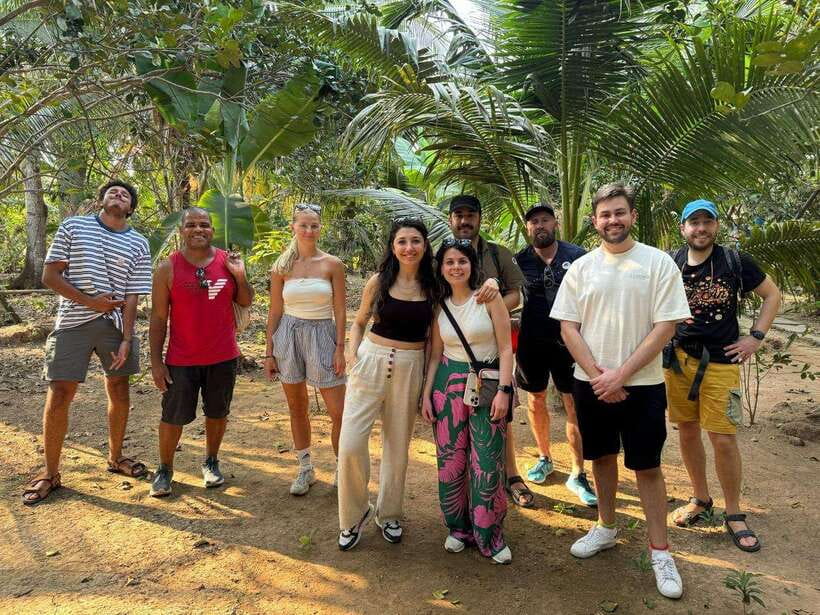
Day 1 starts with pickup from District 1 in Ho Chi Minh City, then a drive out to My Tho. The first big stop is Vinh Trang Pagoda, widely recognized in the Mekong Delta for being large and famous. It’s a useful way to orient you: you’re not just jumping straight onto boats, you’re stepping into the spiritual and cultural background of the region.
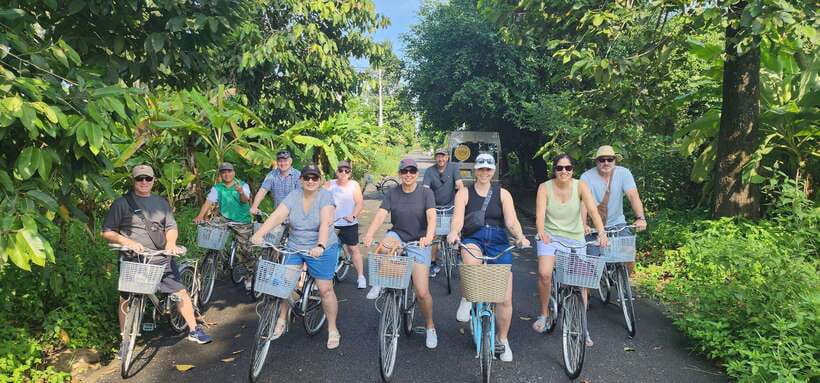
Then you transition to the river. You’ll do a Mekong cruise with views of floating houses and fish farms, which makes the river feel like a living workplace. After that, you switch to a hand-rowed sampan for coconut-lined canals. This part tends to be quieter and more personal, because you’re moving at canal speed instead of big-boat speed.
Ben Tre is where the day gets hands-on. You land on a coconut island and learn about coconut candy-making, including samples. Next comes Unicorn Island (Con Thoi Son), where you take a motor cart and enjoy traditional Vietnamese folk music, plus seasonal tropical fruit tasting. A bee-keeping farm follows, with honey tea that’s a simple but memorable contrast to sweet desserts.
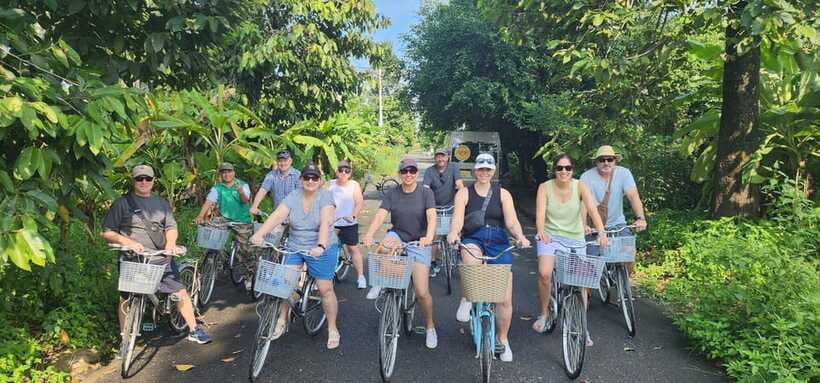
Lunch is included and served under fruit trees with Vietnamese specialties, which is exactly the kind of meal that fits this area. After lunch, you’ll have free time to stroll the village or ride a bike if you want to. In the late afternoon you go by ferry and bus to Can Tho, where you sleep for the night.
Practical note: your evening is less guided and more flexible. Dinner is not included, so you’ll want to know there’s time to eat nearby, then either rest or explore Can Tho on your own.
You can also read our reviews of more tours and experiences in Ho Chi Minh City.
Day 2: Cai Rang Floating Market and a monastery calm-down in Can Tho
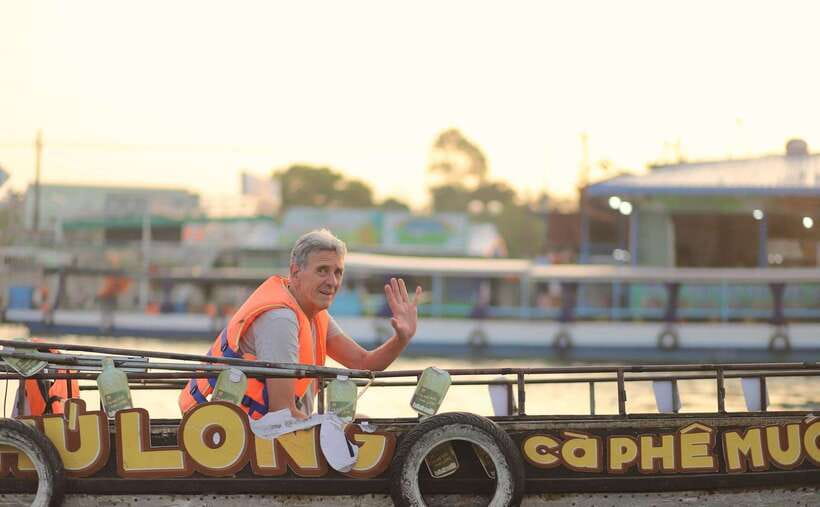
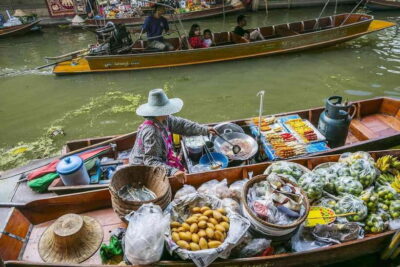
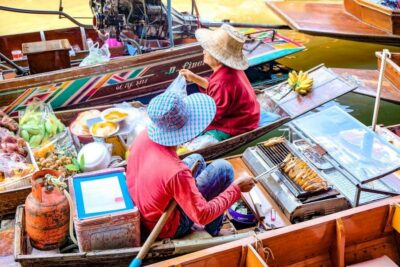
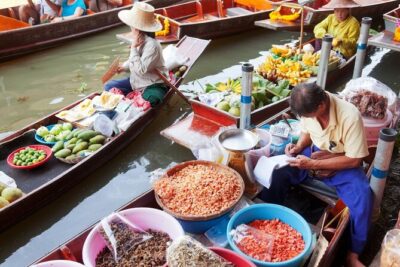
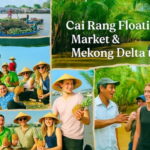
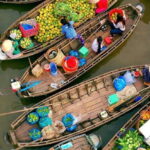
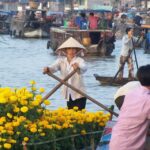
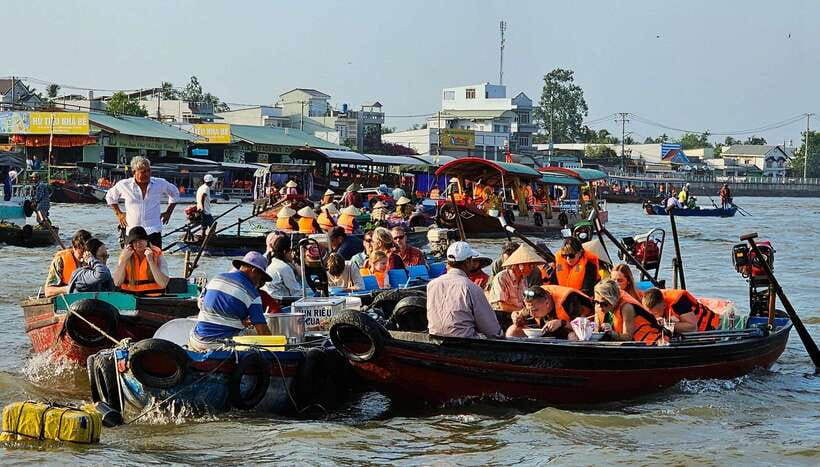
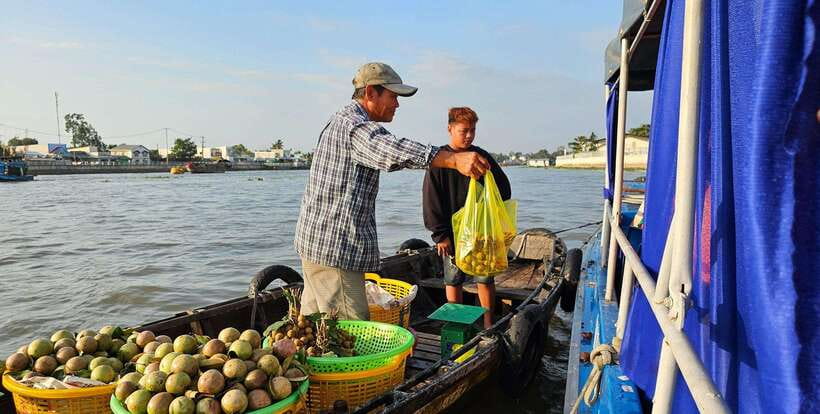
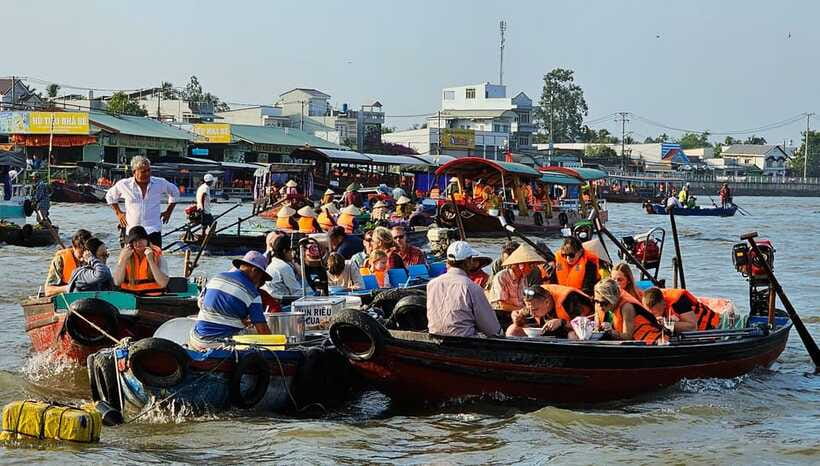
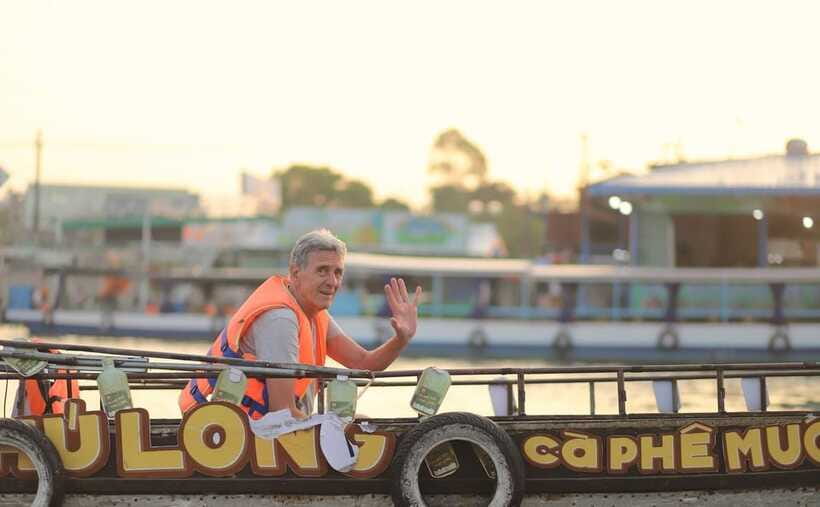
You start early on Day 2 with breakfast, then a motorboat trip to Cai Rang Floating Market. This is the biggest floating market in the Mekong Delta and usually the most photogenic part of the day. You’re not just watching boats pass; you’re seeing a real trading scene that feels like river commerce.
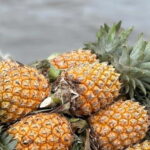
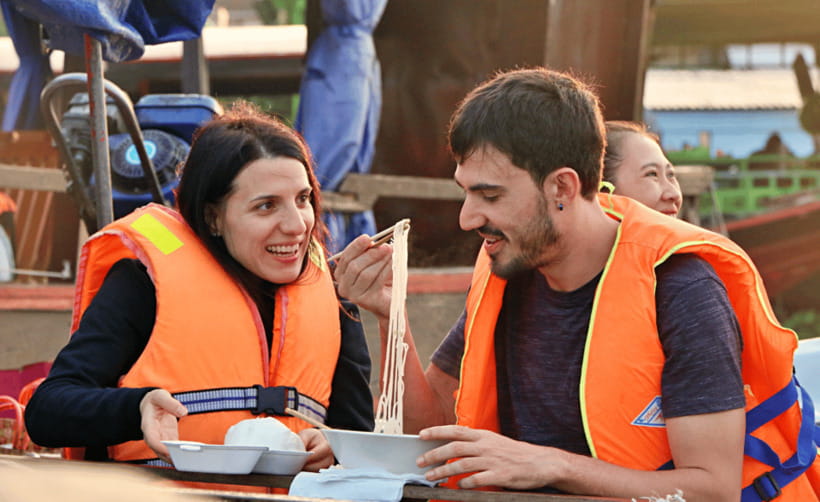
The itinerary also includes a small workshop: rice noodle-making. It’s a good break from constant boat time because it gives your brain a different rhythm. You’ll also do pineapple tasting while on the boat, which is the kind of food stop that works well on a tour like this because it doesn’t require long walking.
Back on land, you’ll visit a local traditional market in the city center, then head to Truc Lam Phuong Nam Zen Monastery. That monastery stop matters more than it sounds on paper. After markets and boats, it gives you a quieter setting where you can actually observe instead of rushing to catch the next bus.
Lunch is included at My Khanh Restaurant, then you get free time to rest or explore the tourist village area. After that, the day shifts again with travel: you head from Can Tho to Chau Doc by local bus, and there’s no guide on that transport segment.
That no-guide detail is important. If you’re the kind of traveler who likes explanations on every ride, you’ll feel that gap during the bus transfer. Still, it’s straightforward because the tour includes the key transfers and overnight.
Day 3: Floating fish farms, Cham culture, Lady Temple, then Tra Su forest birds
Day 3 is built like a highlight reel. It starts with a boat trip from Chau Doc to visit a floating fish farm village. This is where you see river livelihoods up close. Instead of just looking at water, you’re watching how people work with it every day.
Next comes cultural variety with a visit to a Cham minority village. You’ll learn about local culture and traditions, and you’ll also see Islamic architecture elements tied to the Cham community. It’s one of the stops that helps this tour feel more human and less purely scenic.
You return to Chau Doc and spend time at Chau Doc Market, then have lunch at a local restaurant. After lunch, the tour heads to Ba Chua Xu Temple, also known as the Lady Temple. It’s an important pilgrimage site in southern Vietnam, so it adds a religious and local-feeling layer to the day that’s different from the floating-market energy.
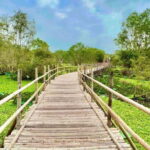
The main finale is Tra Su cajuput (Melaleuca) forest. You’ll travel to the forest and take a motorboat ride through flooded forest areas. This is where the bird life comes in, with over 70 bird species noted, including rare storks. After that motorboat segment, you switch to a peaceful rowing boat through narrow green canals.
This part is the contrast to the faster days. Even if you’re on a schedule, the canal rowing and quiet water give you time to slow your attention. Pack your camera and keep your insect repellent handy because you’ll be close to vegetation and wet conditions.
You’re back at the hotel by late afternoon with free time in the evening. That’s a good setup for journaling, charging your phone, or just doing nothing for a bit.
Day 4: Vinh Xuong border procedures and the speedboat finish in Phnom Penh
Day 4 moves quickly, which is the nature of crossing international borders by speedboat. You’ll have breakfast at the hotel, then head to Vinh Xuong border gate to complete Cambodian immigration procedures. The tour includes this transfer time, but it does mean you should be mentally ready for a formal process that can take longer than sightseeing.
After procedures, you board a speedboat to Phnom Penh, arriving around 1:00 PM. That mid-day arrival is useful because you’re not stuck in transit all afternoon. It also means you’ll want to plan your first Cambodia activities with the pace in mind: you’ll likely arrive ready to eat and stretch more than to chase major sights right away.
One more budget reality: the Cambodia visa fee is not included. If you’re not sure how you’ll handle that in advance, build extra time for paperwork.
The transportation mix: why it matters for comfort and photos
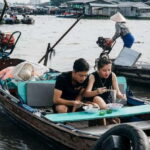
This tour uses a real mix of transport modes: air-conditioned buses, ferries, motorboats, a hand-rowed sampan, and motorboats again for the forest. Each one changes the feel of the scenery.
- The hand-rowed canals give the most intimate view of coconut-lined waterways.
- Motorboats get you fast positioning for the busier river zones and markets.
- The forest motorboat plus rowing segment is the best combo for birds plus quiet canals.
The flip side is you do a lot of moving parts in a short time. That’s why comfortable shoes, water, and insect repellent aren’t optional here. You’ll be on docks, walking short stretches, then stepping into boats again and again.
Also, this trip is not suitable for people with mobility impairments or wheelchair users. It’s not just about stairs; it’s about transfers between vehicles and boats.

Meals, timing, and why the schedule can feel tight
Meals are mostly included for structure: you get 3 breakfasts at hotels and 3 lunches with Vietnamese food. Dinner is generally not included, giving you freedom to choose what you feel like eating in Can Tho and in between rides.
Timing is the real watch-out. The tour runs back-to-back activities. In particular, market timing can be tricky because morning windows for floating markets are short. If you show up late for a market segment, you can end up seeing it faster than you hoped.
The guide is English-speaking, and that helps when you want explanations. Still, this isn’t a slow culture walk. It’s more like a well-paced route that tries to fit a lot of variety into four days.
My advice: if you’re traveling with kids or you want a clear plan, this structure can be a win. If you’re the type who hates rushing, build in a mindset shift: treat each stop as a taste, not a long meal.
What to bring (and what to skip)
The tour provides the itinerary and the transport, but you bring the comfort items. Here’s what the tour list is really telling you to do:
Bring comfortable shoes, a hat, sunscreen, water, camera, and insect repellent. You’ll be outside around boats and greenery, and the weather can turn quickly.
Skip anything that’s against the rules: no smoking in vehicles, and no alcoholic drinks in the vehicle. It’s not just about policy; it also keeps the vibe civil on long travel segments.
Who this tour is best for
This tour suits you best if you want a guided, high-coverage river route with major highlights and minimal planning. It’s also a good fit if you like organized days and don’t mind early starts.
You’ll especially like it if:
- you want the Mekong Delta experience with floating markets, canals, and islands
- you care about a specific nature stop, especially Tra Su forest and bird viewing by boat
- you’re okay with a mix of guided activities and some free time
You may not love it if you want long, unstructured time in each place or you’re sensitive to tight schedules.
Should you book this Mekong Delta to Phnom Penh tour?
I’d book it if your top priority is seeing a lot in a short window and you want the logistics handled: boats, transfers, hotels in Can Tho and Chau Doc, and a guided run through the Vietnam part plus a fast finish into Phnom Penh.
I would pause before booking if you want slow travel. This is a route that moves. Market time and travel legs are scheduled tightly, and you’ll feel it if you want lingering photo sessions or long answers to questions.
If you do book, go in prepared: wear shoes you can walk in on docks, use repellent at Tra Su, and keep your expectations aligned with a tour that packs the highlights.
FAQ
What is the duration and route of this Mekong Delta tour?
It runs 4 days and 3 nights. The route covers My Tho, Ben Tre, Can Tho, Chau Doc, and then a speedboat transfer to Phnom Penh.
What meals are included?
Breakfast is included at the hotel for 3 days. Lunch is included for 3 days with Vietnamese food. Drinks during meals are not included, and dinners are outside the itinerary.
Which activities are included each day?
You’ll see Vinh Trang Pagoda, Mekong River cruising, canal rides by hand-rowed boat, coconut candy and fruit tasting, a floating fish farm village, a Cham village, Chau Doc Market, Ba Chua Xu Temple, and a motorboat plus rowing boat through Tra Su cajuput forest.
Is there an English-speaking guide?
Yes. The tour includes an English-speaking guide (with English and Vietnamese supported).
How do you reach Cambodia at the end of the tour?
On Day 4 you transfer to Vinh Xuong border gate for Cambodian immigration procedures, then take a speedboat to Phnom Penh, arriving around 1:00 PM.
Is the tour suitable for wheelchair users or people with mobility issues?
No. It is not suitable for people with mobility impairments or wheelchair users.