REVIEW · PHU QUOC
From HCM: Mekong Delta Floating Market 3 days exit Phu Quoc
Book on GetYourGuide →Operated by Dragon Sea Travel & Du Lịch Rồng Biển · Bookable on GetYourGuide
Three days is the perfect Mekong sampler.
This tour strings together Vinh Trang Pagoda and real river routines, from Mekong boat time to quiet hand-rowing canals shaded by coconut trees. It also ends practically, with a ferry to Phu Quoc so you’re not backtracking to Ho Chi Minh City.
Still, this is a packed route. Expect a busy pace with lots of vehicle transfers, and the experience can feel more tour-focused than free-form at times—especially around the floating market window.
In This Review
- Key things to know before you go
- Why This Route Makes Sense for Mekong Delta + Phu Quoc
- Day 1: From Ho Chi Minh City to Vinh Trang, Then Ben Tre by Boat and Bike
- Vinh Trang Pagoda: the big temple landmark
- Mekong River cruise with fish cages and floating houses
- Ben Tre: coconut candy, folk music, honey tea, and a cooking class
- Day 2: Cai Rang Floating Market Early Morning, Plus Truc Lam Zen Calm
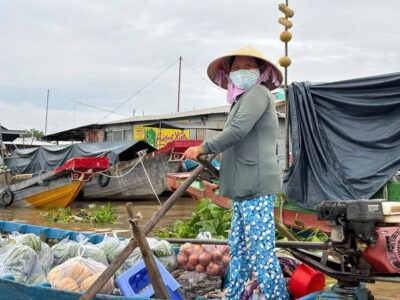
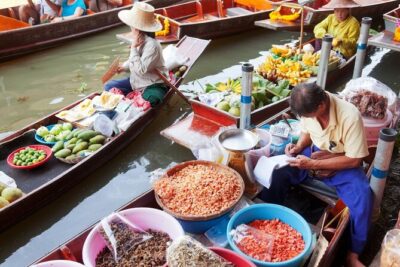
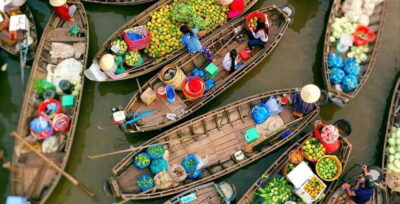
- Cai Rang Floating Market: fruit and goods sold from boats
- Rice noodle-making, pineapple tasting, and a city market moment
- Truc Lam Phuong Nam Zen Monastery: a calmer contrast before the bus
- Day 2 Night in Rach Gia: The Part You Can’t Skip
- Day 3: Ferry to Phu Quoc and the End of the Mekong Loop
- What $180 Gets You Here (and where the value really sits)
- Guides and the Pace: How to Get More from the Day
- Practical Notes: Meals, Personal Costs, and Room Choices
- Should You Book This Mekong Delta + Phu Quoc Tour?
Key things to know before you go
- Vinh Trang Pagoda gives you a major Mekong Delta spiritual landmark early in the trip
- A hand-rowed boat through Ben Tre’s coconut canals is the most authentic-feeling water time
- Cai Rang Floating Market is visited by early-morning boat for the best chance to see traders in action
- You get hands-on stops in Ben Tre: coconut candy, honey tea, and a Vietnamese cooking class
- The day ends with an overnight in Can Tho, then Rach Gia before the ferry to Phu Quoc
Why This Route Makes Sense for Mekong Delta + Phu Quoc
If you’re doing Southern Vietnam and you already know you want Phu Quoc afterward, this itinerary is efficient. Instead of taking another ride back to Ho Chi Minh City, you go outward through the Mekong Delta and then finish with a ferry to the island. That one decision saves time and reduces the mental load of re-routing.
You’ll also get a smart mix of Mekong Delta experiences. You’re not only looking at water from a tour boat. You spend time on the river, you row through canals, and you visit river-adjacent village-style stops in Ben Tre. Then, you shift gears to floating market life at Cai Rang and end with a change of scenery on Phu Quoc.
The best fit is travelers who want a solid overview in three days and don’t mind structured days. If you’re hoping for slow mornings and long hangs around one place, you might feel the schedule is tight.
You can also read our reviews of more tours and experiences in Phu Quoc.
Day 1: From Ho Chi Minh City to Vinh Trang, Then Ben Tre by Boat and Bike
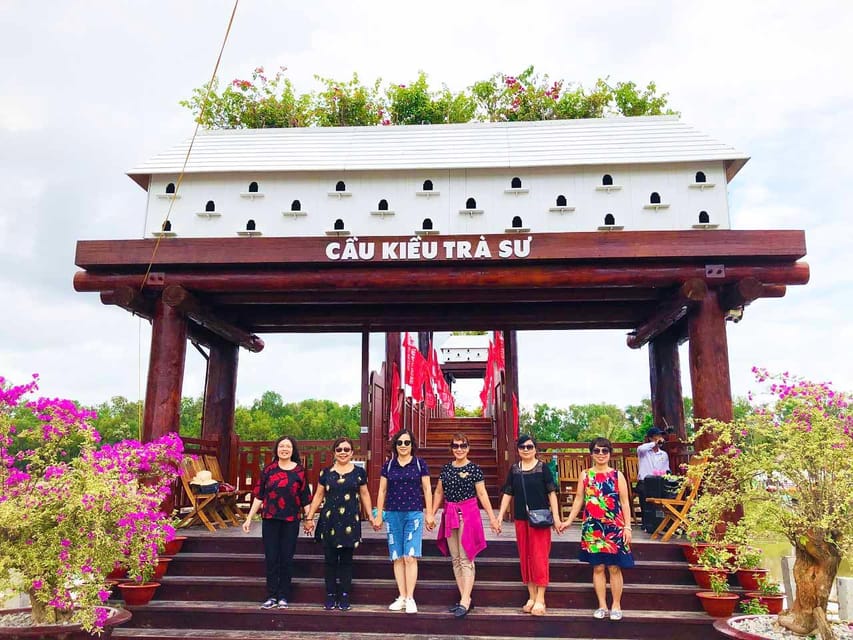
The day starts with a pick-up around 7:30 AM from 243 De Tham Street or your hotel in central District 1. From there, the tour uses an air-conditioned bus to My Tho. During the drive, you’ll see countryside passing by—rice paddies and greenery—so the trip doesn’t feel like you jumped straight from city life into tourist time.
Vinh Trang Pagoda: the big temple landmark
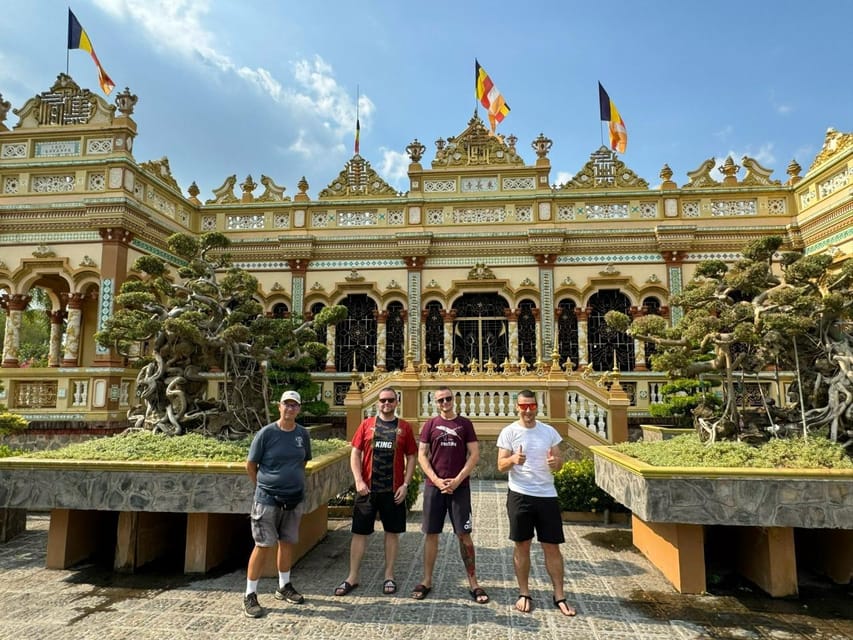
My Tho is your temple stop: Vinh Trang Pagoda, described as the largest and most iconic Buddhist temple in the Mekong Delta. This is the kind of place that helps you understand why river life matters here. The pagoda gives you a sense of local culture beyond boats and markets, with a calm, established feel.
What I like about starting with Vinh Trang is that it sets the tone. Even if you’re only half paying attention to architecture, you’ll notice how the area operates like a living religious site—not just a photo stop.
Mekong River cruise with fish cages and floating houses
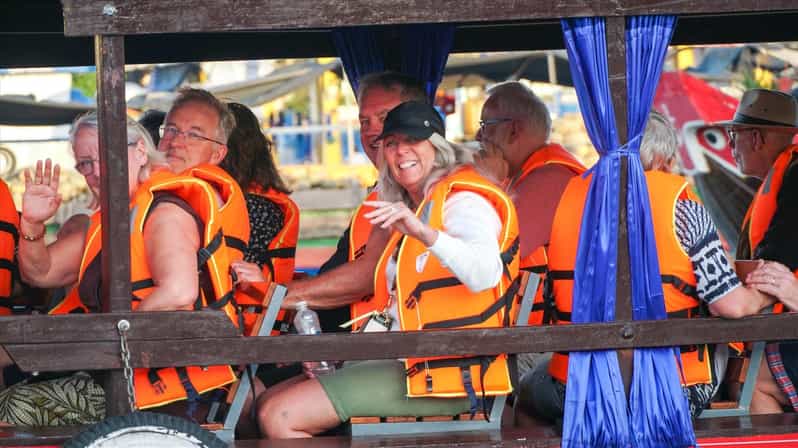
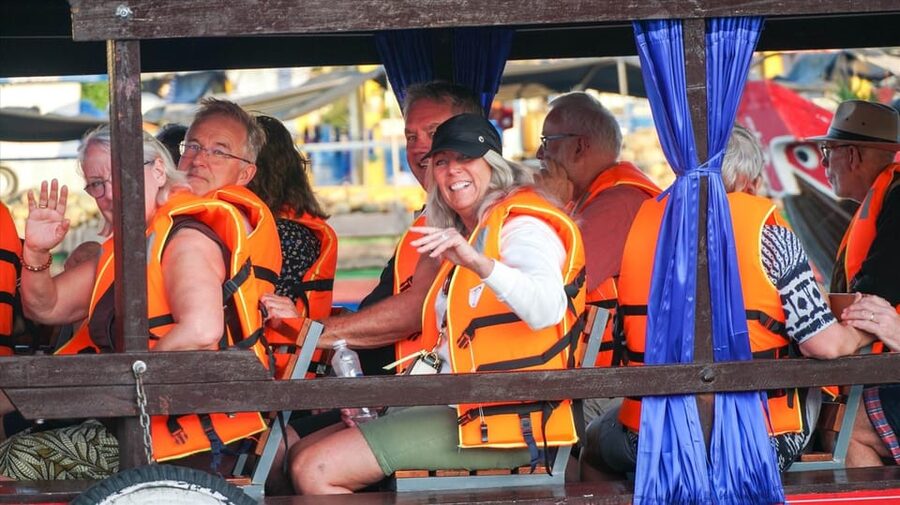
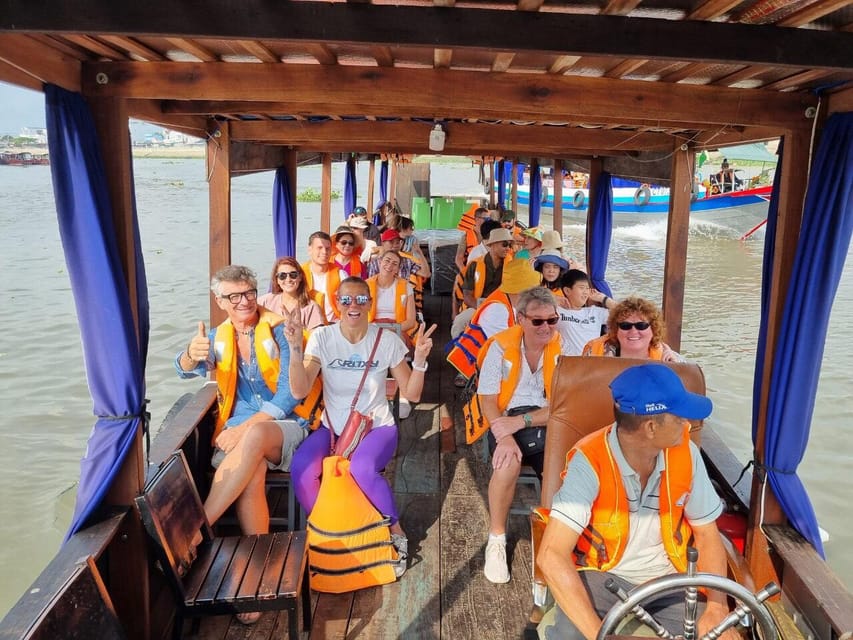
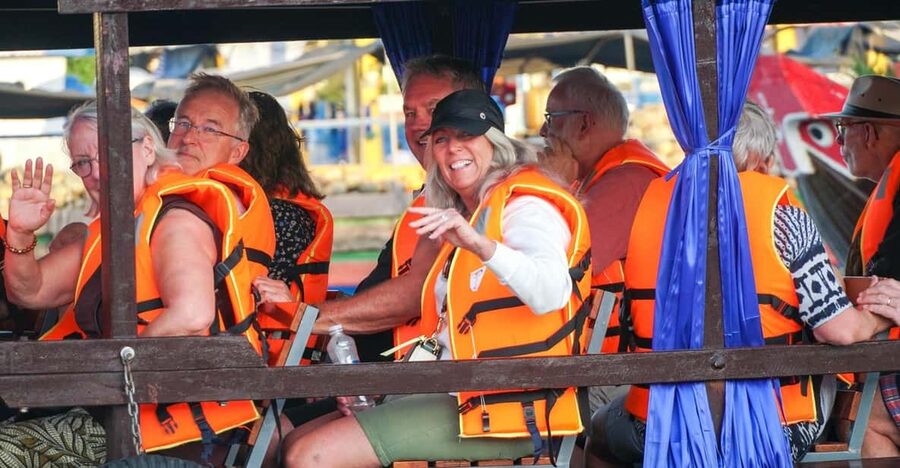
After the temple, you board a boat cruise on the Mekong River. The route is designed to show you the working river: floating houses and fish cages. This matters because it’s not abstract. You’re seeing how people make a living on the water.
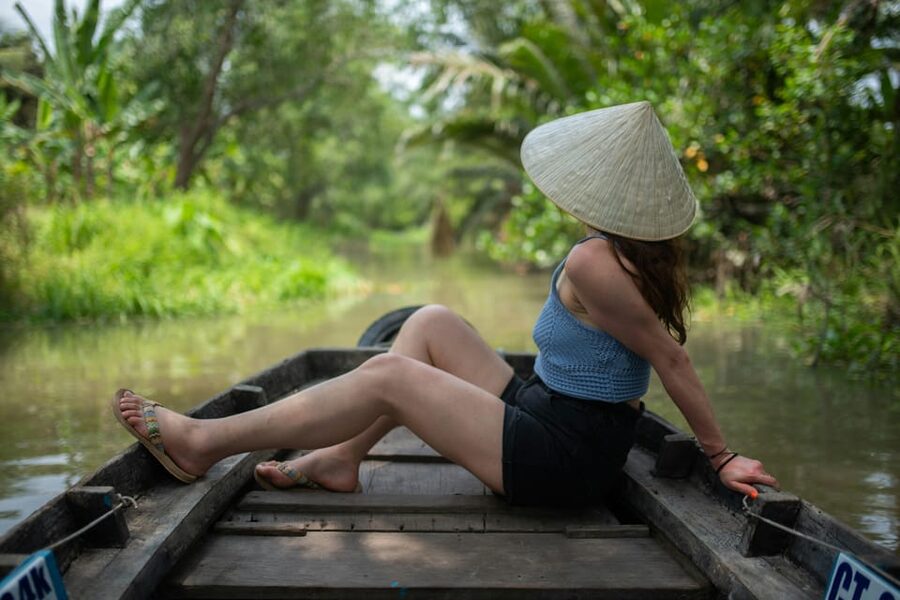
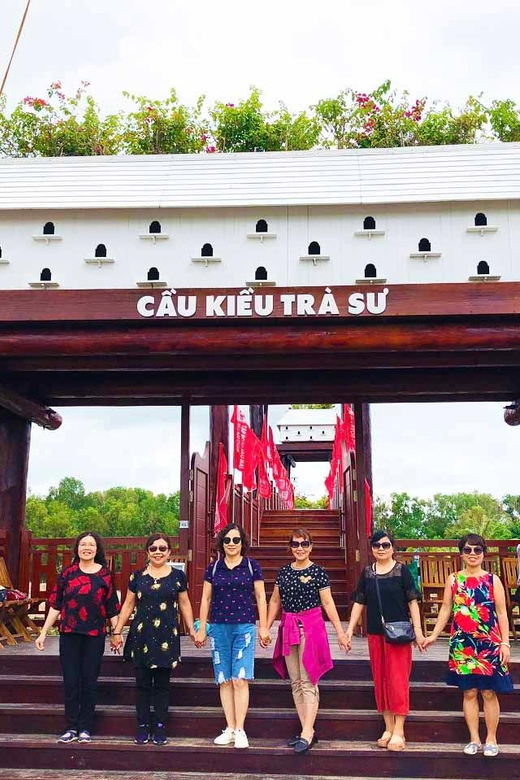
Then comes one of the most memorable parts: you transfer to a smaller boat and do a hand-rowing ride through coconut-lined canals. The pace slows down. You get that quiet feeling you’re looking for in the Mekong Delta, with shaded waterways and a more village-like atmosphere than the big river.
Ben Tre: coconut candy, folk music, honey tea, and a cooking class
Next you land on a coconut island in Ben Tre, where you visit a traditional coconut candy workshop. You learn how the candy is made by hand and you can taste fresh samples. It’s one of those stops that feels small, but it’s a good way to connect food to place—coconuts aren’t a random souvenir flavor here; they’re part of the local economy.
From there, you go to Unicorn Island by motor cart for đờn ca tài tử (Southern Vietnamese folk music) along with seasonal tropical fruit tasting. This is not just about seeing musicians; you’re also hearing a regional art form tied to everyday life in the South.
Then the day keeps moving through practical food and farm experiences:
- Bee-keeping farm and natural honey tea
- A look at a typical Mekong Delta house
- A Vietnamese cooking class, where you learn to make a local dish with local hosts
Lunch lands around 12:30 PM in a garden setting. It’s included, and it’s a welcome reset after hands-on activities.
Later, you cross the river by ferry and continue to Can Tho, the heart of the Mekong Delta. Dinner is on your own that evening, but you’ll have free time to explore Can Tho or simply rest.
What to watch for: Day 1 is full. It’s great if you like variety. If you prefer slower travel, the number of activities can feel like a nonstop parade, even though each stop has a purpose.
Day 2: Cai Rang Floating Market Early Morning, Plus Truc Lam Zen Calm
You start with breakfast at the hotel, then head out by boat for Cai Rang Floating Market at 6:30 AM. This early timing is a big deal. Floating markets work best when the action is starting, and a morning boat ride helps you actually see the trading rather than just the aftermath.
Cai Rang Floating Market: fruit and goods sold from boats
Cai Rang is one of the most famous floating markets in the Mekong Delta, and the point isn’t only shopping. It’s watching how people move produce and goods directly from their boats. You’ll see local traders selling fruits and local products, with a lively atmosphere on the water.
If you’re the type who wants maximum time on the water, you’ll love this format. If you’re the type who wants to linger for hours, you may feel the market stop is too short for the level of detail you’d normally want.
Rice noodle-making, pineapple tasting, and a city market moment
After Cai Rang, you visit a rice noodle-making workshop. This fits well right after the floating market because you’re moving from how goods are traded to how staples are produced.
Then you do a boat ride with fresh pineapple tasting and visit a local market in the city center. This gives you a contrast: water trade first, then a land-based market rhythm.
Truc Lam Phuong Nam Zen Monastery: a calmer contrast before the bus
Later, you visit Truc Lam Phuong Nam Zen Monastery, a peaceful Buddhist complex with traditional Vietnamese architecture. It’s a useful counterbalance to the early-morning sensory overload.
Lunch is included around 12:00 PM, and after that you get free time in a tourist village area. Then the pace shifts again—at 1:30 PM you go by air-conditioned tourist bus to Rach Gia. No guide is included for that transfer, so you’ll be relying on the basic coordination of the tour staff.
You sleep in Rach Gia overnight.
The realistic consideration on Day 2: it’s the day where the schedule can feel the most “logistical,” especially once you’re heading toward the ferry sequence. The reward is Phu Quoc, but you’ll spend some energy on transfers.
Day 2 Night in Rach Gia: The Part You Can’t Skip
This tour uses an overnight in Rach Gia specifically because you’re ferrying to Phu Quoc the next morning. That’s the trade-off. You’re not spending extra nights where it’s most scenic on the Mekong—you’re using that night to make the island connection work.
The tour includes A/C hotel rooms, with double or twin options. Still, hotel comfort can vary, so it’s worth managing expectations. If you’re picky about mattress firmness or room basics, you’ll likely care more than the average traveler. A single room costs extra.
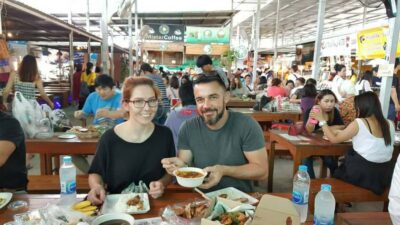
Also, remember that dinner and meals outside the included ones are at your own expense. That’s not a problem, just budget it—Day 1 dinner is not included.
Day 3: Ferry to Phu Quoc and the End of the Mekong Loop
On the final day, you have breakfast at the hotel. The tour then transfers you to the harbor for ticketing and procedures, starting around 7:30 AM.
You board the ferry at 9:30 AM and arrive on Phu Quoc around 1:30 PM. That timing is a nice gift: you’re not losing the whole day to transport. Instead, you’ll land with enough afternoon left to start exploring the island on your own.
This part is the big reason to choose this exact tour. You’re not treating Phu Quoc as a separate trip with backtracking. You’re treating it like the next chapter.
What $180 Gets You Here (and where the value really sits)
The headline price is $180 per person for 3 days, with key inclusions:
- Air-conditioned bus transport and entrance fees
- Meals: 2 lunches and 2 breakfasts
- Boat trip(s), plus biking, fruit tastings, honey tea, and the coconut candy workshop
- 2 nights in hotels with A/C (double/twin)
- English-speaking guide during the guided parts and mineral water
- Ferry to Phu Quoc
The value isn’t just the transportation. It’s the mix of guided access plus hands-on experiences. A lot of Mekong-style itineraries show you boats and temples and call it a day. Here, you also get actual production and food moments: coconut candy making, rice noodle making, honey tea at a bee-keeping farm, and a Vietnamese cooking class.
Also, finishing in Phu Quoc is worth something. If you were doing this route independently, you’d still have to solve the ferry logistics and time it around your schedule. Here, the itinerary handles the sequencing.
Where you might feel less value is in the parts that are inherently time-based—like the floating market window or the city-to-island transfer. If you want extra slack time, you might feel you’re paying for structure.
Guides and the Pace: How to Get More from the Day
A good guide can change everything in a trip like this—because you’re moving between multiple environments: temple, river, canal rowing, workshops, then floating market, then buses, then ferry.
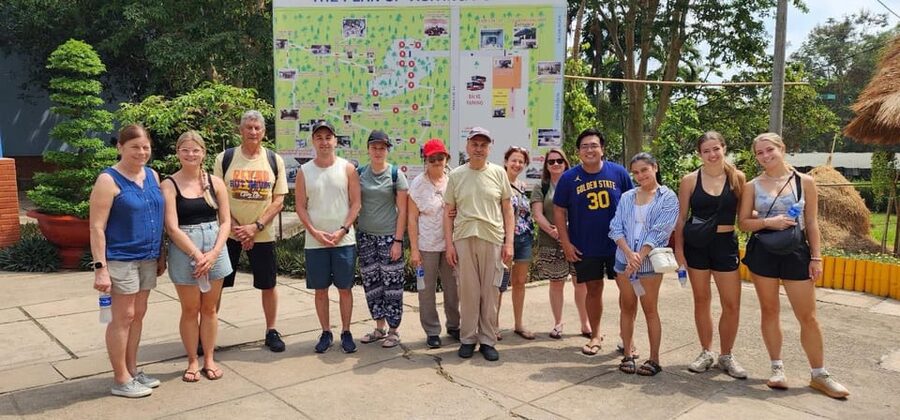
In the real-world examples tied to this tour, English-speaking guides have included names like Wok, Duy, and Jimmy. When you get a guide with strong English and positive momentum, you’ll feel it in small ways: clearer explanations, smoother timing, and better context for what you’re seeing.
Also, expect the rhythm to be tour-friendly rather than free. You’ll have set start times, included meals, and planned stops. That can be a plus if you like not thinking. If you’re a slow traveler who wants to linger and wander, build extra margin into your personal time on arrival in Can Tho and Phu Quoc.
One practical thought: wear something comfortable for boat and short walking. You’ll do plenty of getting on and off boats, and you’ll be in sun for canal and market parts.
Practical Notes: Meals, Personal Costs, and Room Choices
The tour includes specific meals: 2 breakfasts and 2 lunches. Dinner on Day 1 is not included, and any meals outside the listed ones are on you. Drinks and personal expenses (laundry, phone, and similar costs) are also not included.
If you’re considering the single-room upgrade, it has an extra fee. If sharing a twin or double room doesn’t bother you, you’ll generally keep the value strongest.
Bring some cash for personal meals and drinks. The included mineral water helps, but you’ll still want options if you’re thirsty during transfers.
Should You Book This Mekong Delta + Phu Quoc Tour?
Book it if:
- You want a 3-day highlights route through the Mekong Delta, not weeks of planning
- You care about Vinh Trang Pagoda, Cai Rang Floating Market, and real river routines by boat
- You like hands-on stops like coconut candy, rice noodle making, and a Vietnamese cooking class
- You’re heading to Phu Quoc anyway, and you love the idea of finishing there by ferry
Skip or choose a different style if:
- You want a floating market stop with more free time to wander between boats
- You dislike packed days with lots of moving between vehicles and water transfers
- You’re very sensitive to hotel comfort details, since the included rooms are A/C but not guaranteed to be your personal comfort sweet spot
If your goal is efficient, culture-rich Southern Vietnam—river life plus an island finish—this is a solid way to do it.